
Norway’s state-owned energy giant Equinor has secured a drilling permit for operations in the North Sea on the Norwegian Continental Shelf (NCS). This ambitious venture will be conducted with a semi-submersible rig owned by Odfjell Drilling, a reputable offshore drilling contractor.
The Norwegian Offshore Directorate has officially granted Equinor a drilling permit for wellbore 30/8-7 S under production license 190. This license, which has been active since September 9, 1993, extends its validity to the same date in 2032, showcasing the long-term engagement of Equinor in this area.
Equinor stands as the operator of the license, holding a 50% interest. Joining them are partners Petoro and TotalEnergies EP Norge, which hold 40% and 10% stakes, respectively. This collaboration reflects the significant interest in the North Sea and the collective efforts to harness its energy potential.
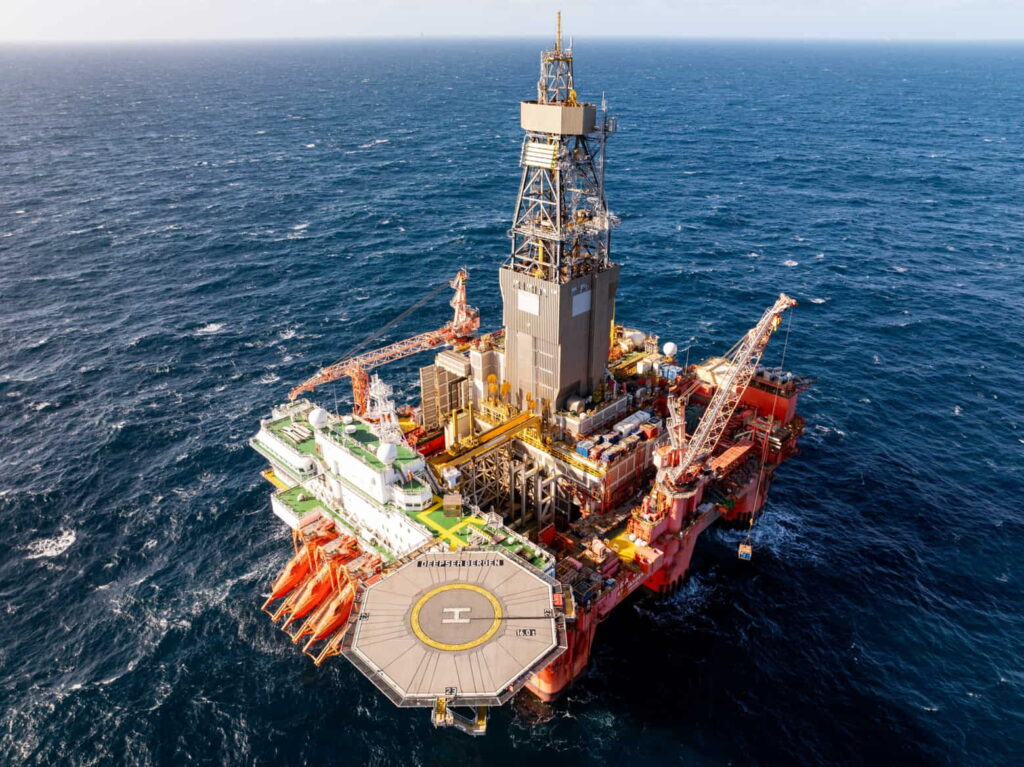
The drilling operations will be carried out using Odfjell Drilling’s Deepsea Bergen, a semi-submersible rig previously known as Deepsea Bollsta. This rig, built in 2019, is designed to operate efficiently in water depths ranging from 70 to 500 meters, making it suitable for a variety of drilling scenarios.
With the capacity to accommodate up to 180 personnel, the Deepsea Bergen is equipped with a comprehensive conventional mooring system. This enables the rig to maintain stability and safety during drilling operations, ensuring smooth execution of tasks in the challenging offshore environment.
Interestingly, the announcement of the drilling permit comes shortly after Equinor proposed an environmental impact assessment (EIA) program for a potential field development in the Barents Sea. This proactive approach shows the company’s commitment to not only advancing energy production but also ensuring environmental stewardship and community engagement.
Strengthening Equinor’s Position
This development represents a significant step for Equinor as it continues to enhance its portfolio in the NCS. The North Sea has long been recognized as a vital source of oil and gas, and Equinor’s strategic focus on this area aligns with broader energy transition goals, pushing the envelope on both traditional and renewable energy sources.
Equinor’s partnership with key players like Petoro and TotalEnergies further solidifies its position within the industry, allowing for shared expertise and resources that can optimize operational success while mitigating risks. Collaborative ventures such as these are increasingly important in today’s energy landscape, where cost-effectiveness and innovation play critical roles in the successful development of offshore projects.
The Future Ahead
As this drilling project unfolds, it invites attention from various stakeholders, including environmental groups, investors, and industry experts. The potential discoveries forthcoming from this drilling operation could contribute significantly to both local economies and the broader energy market. Moreover, Equinor’s actions in ensuring environmental assessments signal a recognition of the complexities associated with offshore drilling.
In conclusion, the development of the North Sea by Equinor not only highlights Norway’s strategic importance in the global energy supply but also showcases the company’s drive towards responsible and collaborative energy exploration.