
The fourth and final phase of the Cyclades interconnection project, which aims to increase the security and reliability of supply in Greece’s island systems, has been completed.
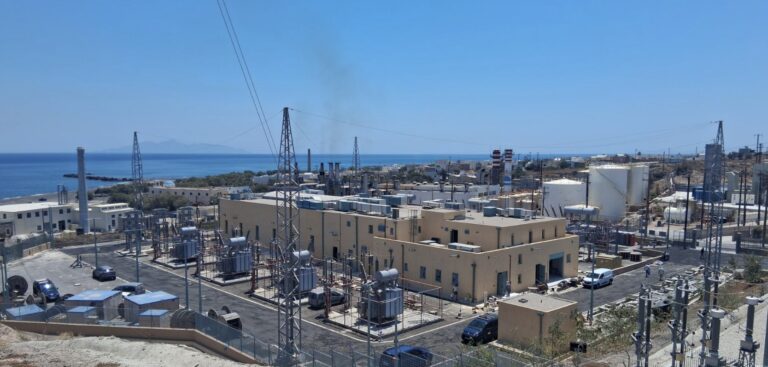
The Greek electricity grid operator, Independent Power Transmission Operator (IPTO), has announced the successful completion of the Southern Cyclades electrical interconnection. This significant infrastructure project connects the islands of Santorini, Folegandros, Milos, and Serifos to the mainland power system via Attica, marking a crucial milestone for electrical reliability in the region.
This phase of the Cyclades interconnection project, which is now fully operational, not only enhances electricity supply to these popular tourist destinations but also aims to reshape the broader energy landscape of the Cyclades archipelago. The interconnectedness provides a pathway to manage energy more effectively, especially during peak tourist seasons when demand surges.
The project’s total budget stands at an impressive €385.7 million. This investment has facilitated the installation of 294 kilometers of high-voltage submarine and underground cables, alongside the construction of four fully digital gas-insulated substations (GIS). These modern technological advancements are poised to increase both the efficiency and safety of the electricity supply across the islands.
IPTO outlines the benefits of this interconnection project, stating that its gradual integration into the National Electricity Transmission System begins with Santorini. The anticipated advantages are manifold: enhanced energy security for the islands, a reduced environmental footprint, and lower costs for consumers due to diminished Public Service Obligation (PSO) charges. The ecological implications are particularly noteworthy, as reducing reliance on fossil fuels and transitioning towards sustainable energy sources aligns with global energy trends.
Bankrolling this ambitious project involves a significant contribution of €164.5 million from the European Union through the Greece 2.0 Recovery and Resilience Facility. Furthermore, additional financial backing comes from loans provided by the European Investment Bank, alongside other resources from the Recovery and Resilience Facility. This collaborative approach ensures that the project is not only feasible but also sustainable in the long run, reflecting a commitment to the economic recovery of Greece post-pandemic.
In closing, the successful completion of the Southern Cyclades electrical interconnection signifies a forward leap in infrastructure that benefits both residents and visitors. By catering to the growing energy needs of these islands, the project stands as a testament to modern engineering and a proactive approach to energy management in a region famed for its natural beauty and tourism appeal.