
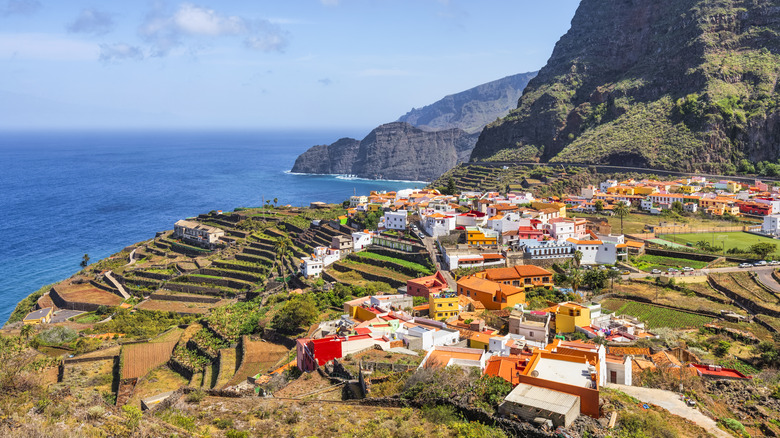
The Canary Islands have been a sought-after vacation spot for decades, boasting a stunning combination of attractions. From the dramatic peaks of Tenerife’s Mount Teide, the highest point in Spain, to Fuerteventura’s sun-kissed beaches, there’s no shortage of beauty here. With one of the sunniest climates in Europe, alongside unique volcanic landscapes and an enticing culinary scene, it’s no wonder these islands have captured the hearts of many travelers over the years.
If you’re considering booking a trip, it might be wise to hesitate. The Canary Islands have recently made it onto Fodor’s “No List” for 2026, advising potential visitors to reconsider their plans. This list is filled with destinations that’ve reached critical levels of overtourism and other pressing issues, effectively serving as a counterpoint to all those enticing bucket lists we so often see.
Fodor’s highlights overtourism as a major concern for the Canary Islands, where record-breaking numbers of visitors—over 18 million in 2025—are contributing to rising housing costs, traffic congestion, and loss of biodiversity. Local sentiment is strong; residents have taken to the streets in protest against unchecked tourism practices in recent years, making their voices heard in an effort to reclaim their home from waves of tourists.
Overtourism in the Canary Islands
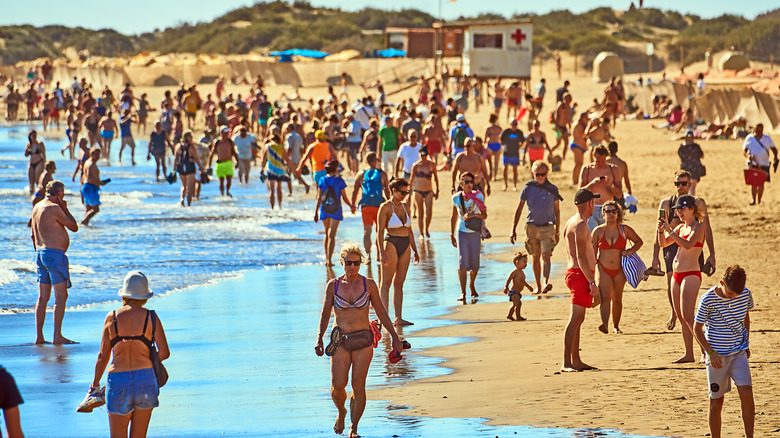
Spain has been grappling with the issue of overtourism for several years, and the Canary Islands are no exception. With an estimated 18.4 million visitors in 2025, the Canaries set a new record for arrivals, marking an increase of 3.5% from the previous year. However, this influx has strained local resources, leading to significant changes in the daily lives of residents.
Widespread protests have unfolded across the islands, with locals expressing concerns over collapsing infrastructure, an acute housing crisis, and dwindling water supplies. Demonstrators are vocalizing a clear message: the Canary Islands have a limit when it comes to tourism, and it’s reaching that point.
Water scarcity is a particularly pressing issue given the islands’ dry climate. A report by the Global Water Partnership outlines historical water shortages that exacerbate the stress on local resources. Meanwhile, housing costs have surged dramatically, turning idyllic towns into unaffordable locales for many residents. Non-licensed holiday rentals are a significant part of the problem, accounting for an estimated third of the market, complicating efforts to address Airbnb’s impact on local life.
Worthy Spanish Alternative Destinations
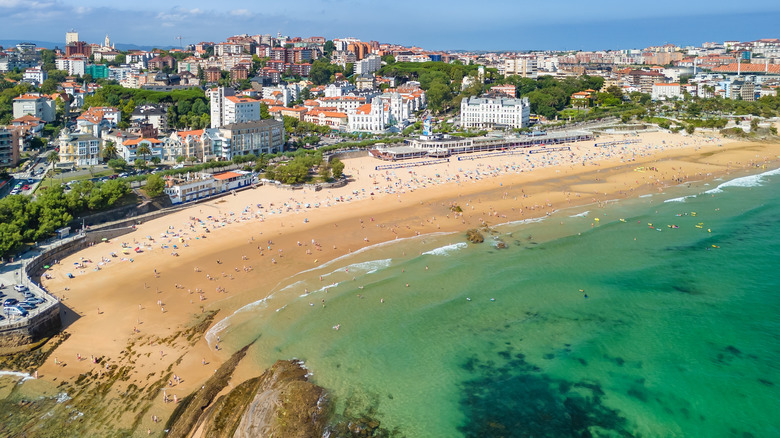
If Fodor’s advice spurs you to rethink a trip to the Canary Islands, rest assured that Spain is far from being off-limits. There are numerous culturally rich alternatives across the country that offer a delightful blend of sun, sea, and relaxation, much like the Canaries.
The Balearic Islands, for instance, are a fantastic option. Home to party hotspots like Magaluf in Mallorca and the legendary Ibiza, these islands can still provide serenity, especially if visited during the off-peak season. You can immerse yourself in the stunning hikes of the Serra de Tramuntana or bask in the tranquil beauty of Cala Macarelleta, a pristine beach on Menorca.
Northern Spain presents another appealing alternative. This less-traveled region boasts the Costa Verde, known for its lush landscapes and serene beaches. Instead of the bustling tourist traps of the Canaries, enjoy the stunning coastlines of Cantabria or the enchanting natural beauty of Galicia—a hidden gem filled with waterfalls and lush forests.