
Three joint venture (JV) partners – MOL Group, Repsol, and Türkiye Petrolleri A.O. (TPAO) – have signed a production sharing agreement (PSA) for an offshore exploration area in the Mediterranean Sea, off the coast of Libya.
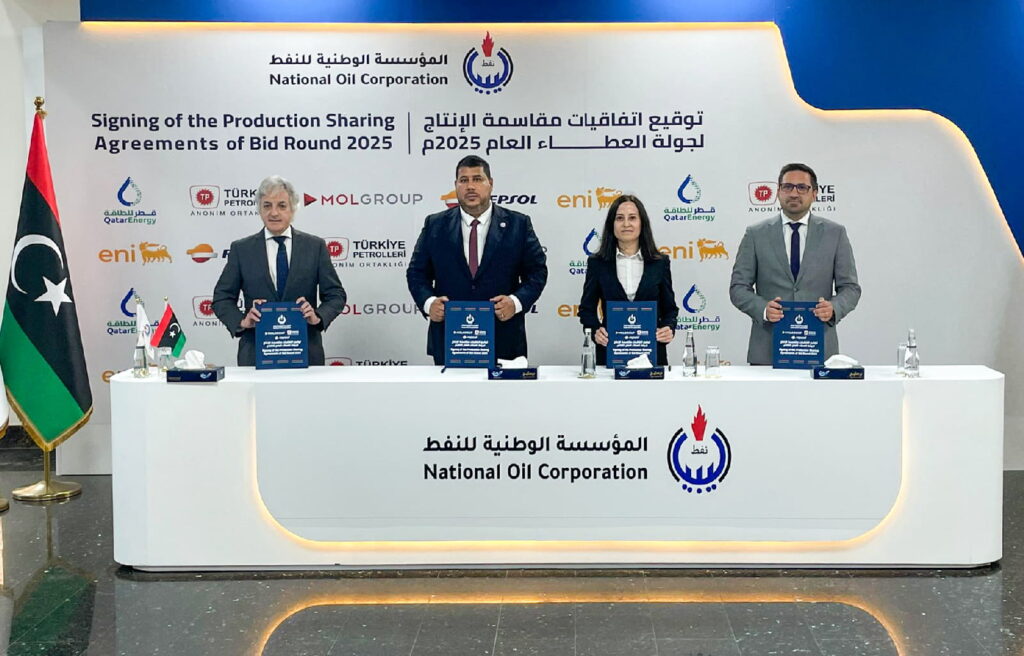
In a significant development for Libya’s energy sector, Repsol (holding a 40% interest as the operator), Türkiye Petrolleri A.O. (TPAO), and MOL Group have successfully inked a production sharing agreement for the O7 offshore block. Situated in the Mediterranean Sea, this area, covering over 10,300 square kilometers, is anticipated to breathe new life into the oil and gas industry in Libya. Each partner brings its unique expertise to the table, enhancing the project’s potential.
The O7 block, found about 140 kilometers northwest of Benghazi, is characterized by its deepwater setting, with depths exceeding 1,500 meters. This depth aligns perfectly with the consortium’s extensive offshore operational experience. The partners expressed optimism that their venture will not only advance exploration in Libya but also contribute significantly to the country’s economy and energy landscape.
The minimum work commitment for Block O7 includes crucial activities such as acquiring 1,500 kilometers of 2D seismic data, 2,300 square kilometers of 3D seismic data, and drilling one exploration well. These initial steps are essential for assessing the hydrocarbon potential of the area, setting the stage for future exploratory work.
Commenting on this milestone, Zsombor Marton, Executive Vice President of MOL Group Exploration and Production, stated how excited he and his partners are to reach this new phase of collaboration. Marton highlighted Libya’s strategic importance for Europe and the exceptional opportunities presented by offshore exploration in North Africa. He added that their commitment extends beyond exploration, aiming to enhance Libya’s economy while also fortifying energy security in Central Eastern Europe.
This venture is a continuation of a broader strategic partnership between MOL and Libya’s National Oil Corporation (NOC), initiated in January 2026. This partnership showcases a commitment to expanding international cooperation in the oil and gas sector. The collaboration not only aims at shared expertise but also focuses on technological innovation and identifying new business avenues that can bolster both companies’ international presence and foster future growth.
The exploration and production activities in Libya come at a time when other international oil giants are also establishing relationships with NOC. For instance, Chevron has recently signed agreements with the corporation, reflecting a growing interest in Libya’s potential in the global energy landscape. Such collaborations signal a revitalization in foreign investment in the region, promising a resurgence in Libya’s oil and gas production capabilities.