
Shell Offshore, a subsidiary of the UK-headquartered energy giant Shell, has made significant moves to reshape its portfolio by divesting a non-operated working interest in various oil assets located in the Gulf of America (U.S. Gulf of Mexico).
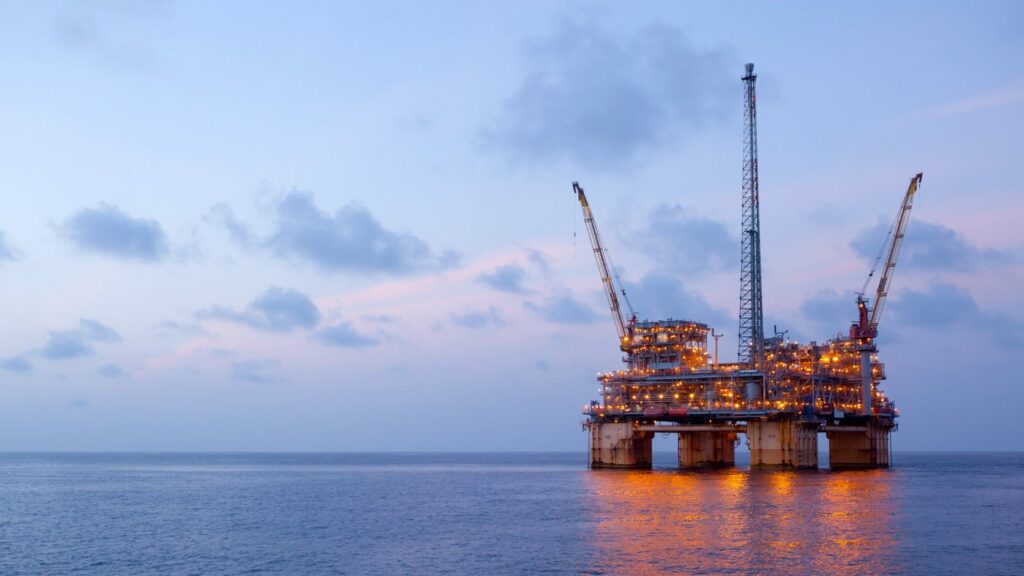
In a strategic move, Shell Offshore has agreed to sell its 50% non-operated working interest in the Na Kika platform and the associated fields in the Gulf of America. This transaction also includes Shell’s 100% owned Coulomb tie-back, resulting in a total consideration of $1.7 billion. This deal is subject to customary adjustments and specific contingent payments, underscoring the complex and dynamic nature of oil asset transactions.
Peter Costello, Shell’s Upstream President, remarked on the significance of the Gulf of America, stating: “The Gulf of America is one of our highest-value basins, and we are actively shaping our portfolio to ensure our Upstream business continues to be resilient and increasingly competitive. We remain focused on sustaining our material liquids production into the next decade.” This statement sheds light on Shell’s commitment to optimize its operations while acknowledging the shifting landscape of the energy market.
In this transaction, BP remains the operator of Na Kika, retaining the remaining 50% working interest. The deal is expected to have an effective date of July 1, 2025, with a projected closing by the end of 2026, contingent upon regulatory approvals. Notably, Shell will also benefit from uncapped upside-linked payments through 2027 and overriding royalty interests (ORRI) related to production from new Na Kika tie-backs, subject to various conditions.
As of 2025, Shell’s entitlement share of production from these assets was approximately 37,000 barrels of oil equivalent per day. However, the company’s modeling indicates that Na Kika and Coulomb will likely cease to be significant production contributors by 2030. This transaction strategy emphasizes Shell’s forward-thinking approach, directing resources toward more promising ventures while transferring certain decommissioning obligations and ensuring the buyers provide security for these commitments.
In a separate agreement, Shell Trading US Company will maintain rights to offtake from Na Kika and Coulomb, facilitated through negotiated agreements with the buyers. This arrangement ensures Shell’s continued involvement in the operational landscape of these assets despite the divestiture. The Na Kika semi-submersible platform, Shell’s sole non-operated platform in the Gulf of America, began its production journey in 2003, marking a significant milestone in the company’s operational history.
The Coulomb tie-back commenced production in 2005, contributing significantly to Shell’s operations. By the end of 2025, Shell’s proved reserves stood at 4.3 million barrels of oil equivalent (boe) for Na Kika and 7.2 million boe for Coulomb. This reserve data also highlights the challenges ahead, as the company navigates its future production strategies.
It is worth noting that the closing of any divestment concerning Shell’s interest in the Na Kika host and associated fields is subject to BP’s preferential right to purchase within 30 days from the notification based on the allocated price under the purchase and sale agreement. This standard practice is critical in the oil and gas sector, ensuring that existing operators have an opportunity to retain interests in producing fields.
Shell has consistently recognized the U.S. as a vital market and a primary locus for investment, with operations and interests across all 50 states. The company prides itself on being a leading deepwater operator and the largest producer of oil and gas in the Gulf of America, as well as one of the significant buyers of U.S. LNG. This positioning speaks volumes about Shell’s strategic vision and commitment to maintaining a robust presence in the competitive landscape of the global energy market.