
Angola’s state-owned oil company Sonangol has recently announced the discovery of more offshore oil reserves, enhancing the country’s already significant petroleum wealth.
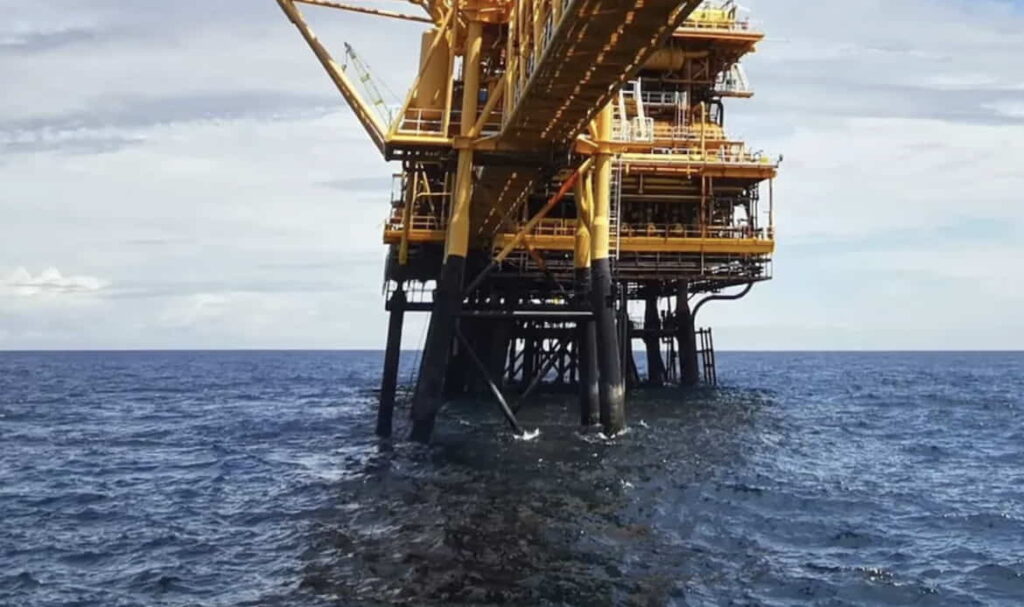
The National Agency of Petroleum, Gas and Biofuels (ANPG) and Sonangol Exploration and Production have revealed successful drilling operations at the PAC 416 well in the southwest area of the Pacassa field, located within Block 3/05 of the Lower Congo Basin. This operation marks a pivotal step for both the company and the nation in their quest to capitalize on Angola’s abundant hydrocarbon resources.
Drilling the PAC 416 well aimed to unlock the potential of the southwestern section of the Pacassa field. Reaching a total measured depth of 5,381 meters with a vertical depth of 3,600 meters, the well intersected two productive zones: the Pacassa and Buffalo reservoirs. These reservoirs exhibited characteristics favorable for hydrocarbon production, which are critical for optimizing output.
Sonangol reported discovering a liquid oil column approximately 100 meters thick within good-quality reservoirs, signaling a strong productive capacity for the Pacassa field. The completion of PAC 416 stands as a major milestone in the redevelopment program for Block 3/05, reinforcing production capabilities and ensuring the longevity of its assets.
In alignment with Sonangol’s strategy for sustainable growth, the plan includes drilling three additional wells in 2026 to further optimize the oil potential within Block 3/05, a move anticipated to boost national production levels significantly.
The contractor group managing Block 3/05 comprises Sonangol E&P (36% operated interest), Afentra (30%), Maurel & Prom (20%), Etu Energias (10%), and Nis-Naftgas (4%). Afentra elaborated on the findings from the PAC 416 well, detailing that it reached significant oil-bearing sections within the fractured Albian Pinda carbonate formation.
Wireline logging data suggested a gross hydrocarbon-bearing interval of 217 meters, with an estimated net oil pay of 136 meters. This data indicates a reservoir capable of substantial productivity, bolstering earlier geological assessments regarding the wider Pacassa SW structure’s development potential.
Afentra’s assertion emphasized the well’s potential to yield up to 70 million barrels of gross recoverable resources (23 million barrels net), pending further technical evaluations and reserves assessments.
Currently, completion operations for the PAC 416 well are in progress, after which it will connect to the existing Pacassa production infrastructure. The anticipation for the first oil delivery from this well is set for Q3 2026, marking a significant ramp-up in operational output.
Afentra also noted regarding the well that sustainable production rates will be finalized post-clean-up and flow-back operations. Current analyses indicate that the need for a Pacassa SW injection well may be unnecessary at this juncture; however, final decisions will be taken prior to the end of ongoing rig operations.
Meanwhile, as part of the redevelopment initiatives, the Impala-1 well, previously inactive since 2017, has been reactivated through a light well intervention (LWI) strategy. During testing, this well achieved impressive flow rates exceeding 4,700 barrels of oil per day, although current operations are managing production at around 3,000 barrels per day to optimize longer-term reservoir performance and reduce water cut.
The successful re-establishment of production stemmed from addressing a previous shallow obstruction in the wellbore, highlighting the importance of careful monitoring and intervention strategies in maintaining oil flow. Valuable data acquired during this operation will inform the planned Impala-2 well development, reducing subsurface uncertainties and refining final well planning.
Preparation for the Impala-2 well is already underway, with drilling anticipated to begin once Pacassa SW operations are completed. This second well aims for a production rate of approximately 4,000 barrels per day, paving the way for the next phase of the Impala field’s redevelopment.