
Boskalis has recently achieved a significant milestone in maritime engineering by christening its new subsea rock installation (SRI) vessel. This vessel is touted as the largest of its kind in the industry, marking a notable advancement in marine operations.
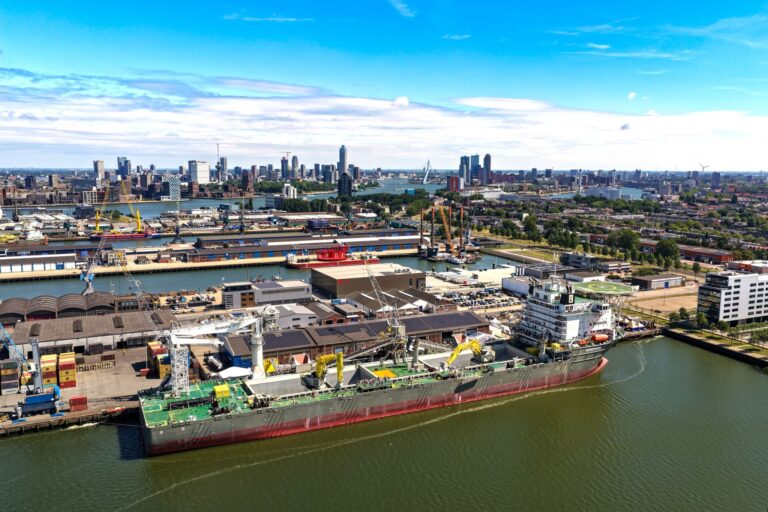
The vessel, named Windpiper, represents a substantial investment in sustainable marine engineering. It was acquired by Boskalis in January 2025 after a year and a half of meticulous conversion work converting an existing ship into this state-of-the-art subsea rock installation vessel. With a rock-carrying capacity of 45,500 tons, Windpiper sets a new benchmark in the industry.
In terms of dimensions, Windpiper impresses with its size, measuring 227 meters in length and 40 meters in width. This substantial real estate allows for an array of advanced capabilities, tailored specifically for the demanding tasks of subsea rock installation. Furthermore, the vessel is equipped with a total installed power exceeding 31,000 kW, ensuring operational efficiency and performance in challenging marine environments.
Designed with crew comfort in mind, Windpiper features over a hundred single-occupancy cabins. This is especially significant, considering the demands of offshore work where the welfare of the crew can directly impact performance and safety. The thoughtful design showcases Boskalis’s commitment not only to technological advancement but also to improving crew living conditions.
The christening ceremony took place on July 3, marking the official introduction of Windpiper into Boskalis’s fleet. The timing is particularly noteworthy as the vessel is now prepared to embark on its first rock installation project in the Baltic Sea, showcasing its capabilities in a region known for its intricate underwater landscape.
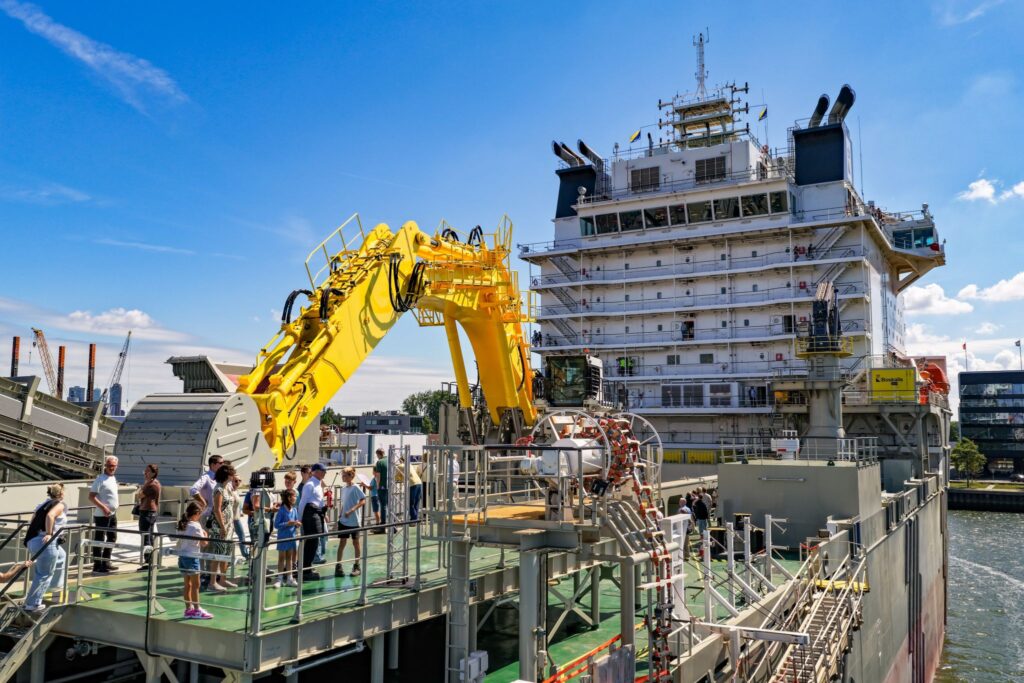
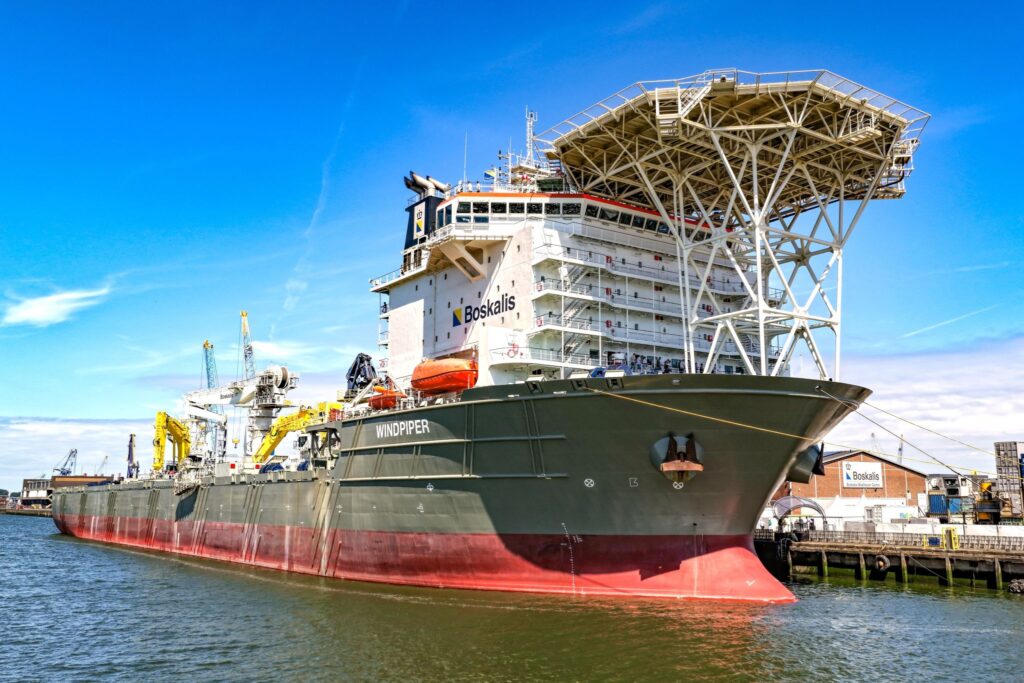
Windpiper not only exemplifies cutting-edge technology but also reflects the growing trend towards larger, more efficient vessels in the offshore industry. The push for efficiency is particularly important as the demand for renewable energy grows, especially in wind farms and other offshore installations that require robust subsea infrastructure.
As the global offshore energy sector evolves, innovations like Windpiper will play a crucial role in meeting the increasing demands for installation, maintenance, and operational support, all while enhancing sustainability measures in marine operations.