
Advancing Renewable Energy: Dutch Equinox Ocean Turbines’ Successful Testing of Ocean Current Prototype
Dutch Equinox Ocean Turbines (EQOT) has recently made significant strides in the renewable energy sector, successfully completing open-water testing of their innovative ocean current prototype, the Mobula 5. This testing initiative, conducted in Friesland, the Netherlands, marks a crucial milestone in the journey towards commercial deployment of ocean current technology. Let’s delve into what this means for both the company and the broader landscape of renewable energy.
The Prototype: Mobula 5
The Mobula 5 is a 1:10 scale prototype designed to harness energy from ocean currents. By mimicking the natural flow of water, this prototype not only aims to generate sustainable energy but also incorporates cutting-edge technology to maximize efficiency. The successful testing in real-world ocean conditions is pivotal for EQOT as it progresses towards achieving a Technology Readiness Level (TRL) of 6.
Objectives of Open-Water Testing
The primary goal of the open-water testing phase was to validate the Mobula 5’s performance under actual ocean conditions. This encompassed a variety of elements including:
- Turbine Control: Ensuring the turbine responds effectively to changing current conditions.
- Power Output: Assessing the efficiency and reliability of energy generation.
- Acoustic Performance: Examining the environmental impact, particularly concerning marine life.
These aspects are critical in confirming the feasibility of scaling up the technology for commercial use.
Achievements and Next Steps
On July 22, EQOT announced the successful completion of this testing phase. Following the collection of valuable data, the focus now shifts to analyzing the results to gain insights into turbine control, power output, and acoustic signatures. The anticipation surrounding these findings is high, as they will inform the next steps in the technology’s development.
The response from the EQOT team reflects the hard work and dedication involved in this project. They stated, “Witnessing the prototype perform in its natural setting was a milestone years in the making,” highlighting the journey from conceptualization to tangible results.
The Importance of Ocean Current Energy
The significance of ocean current energy in the renewable landscape cannot be overstated. As the world grapples with the pressing need for sustainable energy solutions, technologies like those developed by EQOT offer promising alternatives. Ocean currents are a vast, largely untapped resource, possessing the potential to supply continuous energy, unlike some other renewable sources dependent on weather conditions.
Harnessing this energy can lead to reduced reliance on fossil fuels, lower greenhouse gas emissions, and a more resilient energy grid. As such, advancements like the Mobula 5 prototype play a crucial role in the global transition towards a more sustainable energy future.
Community Engagement and Impact
As EQOT moves forward, community engagement will become increasingly important. The successful deployment of ocean current technology could not only create jobs but also lead to broader discussions around sustainable energy practices within local communities. This dialogue is vital for fostering public support and understanding, laying a foundation for future innovations in the renewable energy sector.
Visual Progress
The testing process has been visually documented, showcasing the impressive architecture of the Mobula 5 as it operates in real ocean conditions. These images serve as reminders of the technological advancements being made in the field of renewable energy and the potential they hold for the future.
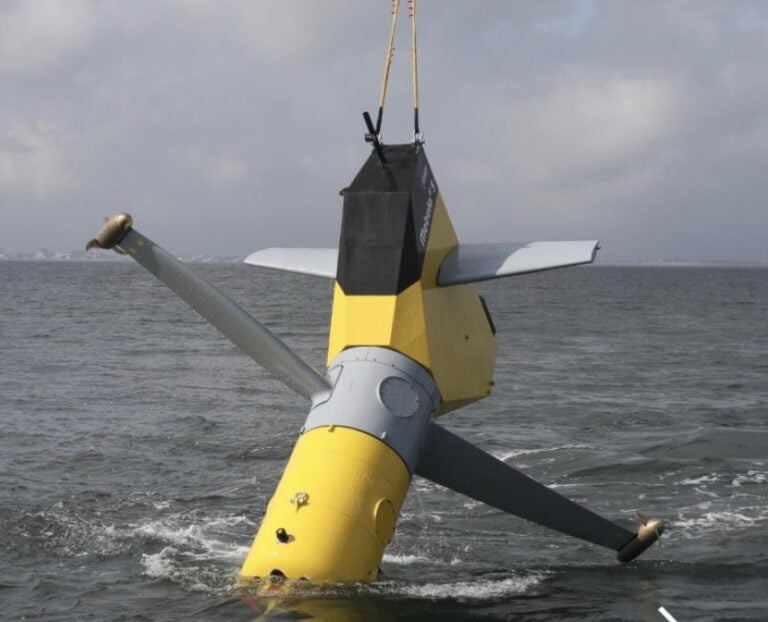
Source: Equinox Ocean Turbines via LinkedIn
This visual representation not only highlights the engineering prowess behind the project but also serves as an inspiration for further innovation in offshore energy solutions.
Conclusion
The successful completion of the open-water testing phase for the Mobula 5 prototype represents a significant achievement for Dutch Equinox Ocean Turbines and the field of renewable energy at large. As data analysis commences and future plans unfold, the anticipation builds for what lies ahead in the quest for sustainable ocean energy solutions.