
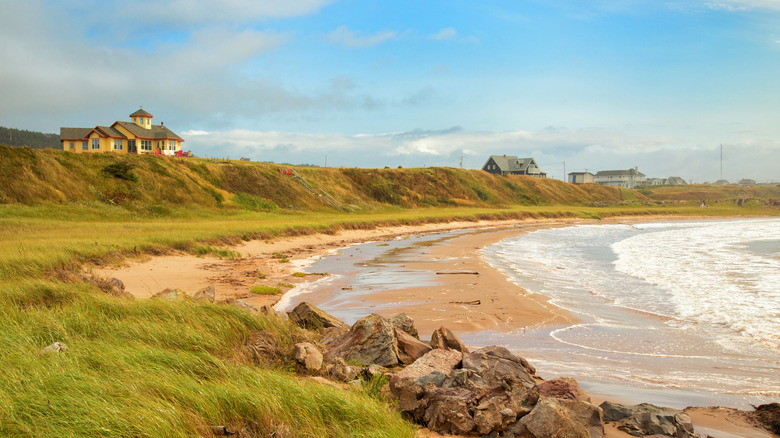
When considering Canadian geography, islands may not be the first things that come to mind. However, Quebec is home to the group of islands known as Îles-de-la-Madeleine, or the Magdalen Islands. This stunning archipelago comprises a dozen islands, seven of which are inhabited. Among these, Havre-Aubert Island, with its colorful architecture, rich history, and breathtaking landscapes, truly stands out.
Havre-Aubert is the largest and most wooded island in the archipelago, making it a paradise for outdoor enthusiasts. A notable attraction on the island is Sandy Hook, a 7.6-mile long sandbank located along its eastern coast. Its dunes glisten golden, thanks to the red sandstone that has been eroded from the island’s cliffs over the years. Every year, Sandy Hook hosts the famed Magdalen Island Sandcastle Competition, which claims to be “the largest amateur sandcastle competition in the world,” drawing more than 400 builders to create stunning sandy masterpieces.
Despite its charm, Havre-Aubert Island is not directly accessible from Quebec’s bustling mainland. Visitors can fly directly into Îles de la Madeleine’s airport in Havre-aux-Maisons or opt for a scenic five-hour ferry ride from Souris, Prince Edward Island. Once on the archipelago, Havre-Aubert is just a short drive away, allowing for an easy transition to its serene environments.
History Plays a Major Part in Havre-Aubert’s Culture
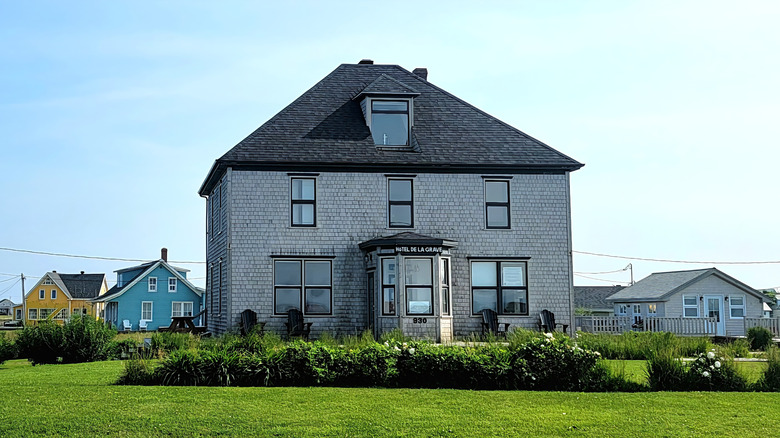
While Quebec’s capital, Montreal, is known for its fast-paced urban lifestyle, Havre-Aubert offers a slower-paced connection to its rich cultural heritage. A central feature of this history is La Grave, the island’s original fishery site. This locale has been a bustling hub for fishermen and merchants for centuries, attracting Indigenous peoples and European settlers alike throughout its history. Today, La Grave’s 15 original structures have been transformed into unique boutiques, galleries, and eateries, providing visitors a glimpse into the past. The area received heritage status from the Quebec Ministry of Cultural Affairs in 1983, ensuring its preservation for future generations.
Not only is La Grave a dining and shopping hotspot, but it also houses the Musée de la Mer—a museum dedicated to the nautical history of the islands. Here, visitors can explore fascinating exhibits that delve into the rich maritime heritage of the archipelago. Art lovers should not miss the Atelier Côtier, where local artisans conduct workshops to transform sand into art.
The community keeps its vibrant history alive through performances like “My Islands, My Country” (“Mes Îles, Mon Pays”), a theatrical exploration of the archipelago’s evolution. This play is showcased at the Cultural Center, which also hosts year-round performances by local artists. Nearby, nature enthusiasts can visit the Demoiselles Nature Reserve for breathtaking views and tranquil walking trails.
Vibrant Architecture Adds to Havre-Aubert’s Charm
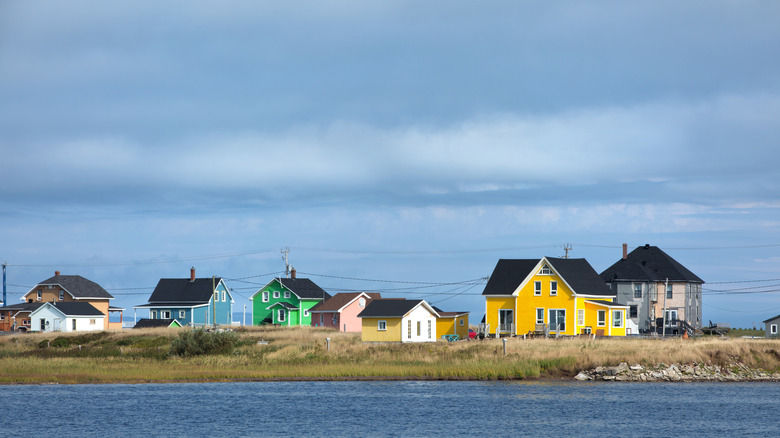
Havre-Aubert is renowned for its vibrant, historic homes, which feature an array of colors, including pastel pinks and yellows. These hues not only enhance the village’s charm but also serve practical purposes. Sailors could easily locate their residences from afar, and families often painted their boats the same vivid colors, allowing for quick identification upon return from sea.
On the island’s western side, the neighborhood of Étang-des-Caps showcases a delightful variety of architectural styles. Each home possesses its own distinct personality, from the charming yellow-framed classic known as Étolie to the modern elegance of Tanière des Îles, with its striking gray and black paneling and warm birch interiors. Visitors can rent these unique homes to fully immerse themselves in the island’s atmosphere.
In addition to its colorful homes, Havre-Aubert is home to several historic lighthouses, remnants of the island’s rich maritime past. The tallest of these, Anse-à-la-Cabane Lighthouse, proudly stands at 56 feet along the rocky cliffs of the southern coast. These lighthouses serve as a reminder of the island’s seafaring history and continue to attract visitors who are fascinated by the stories they tell.