
Shell Bahamas Power Company Takes a Bold Step in Energy Transition
In a significant move towards modernizing the energy landscape of The Bahamas, Shell Bahamas Power Company, a subsidiary of the internationally recognized energy giant Shell, has officially taken a final investment decision (FID) and commenced construction of a liquefied natural gas (LNG) regasification terminal. This facility will be situated at Clifton Pier and is set to be a pivotal development for the archipelago’s energy infrastructure.
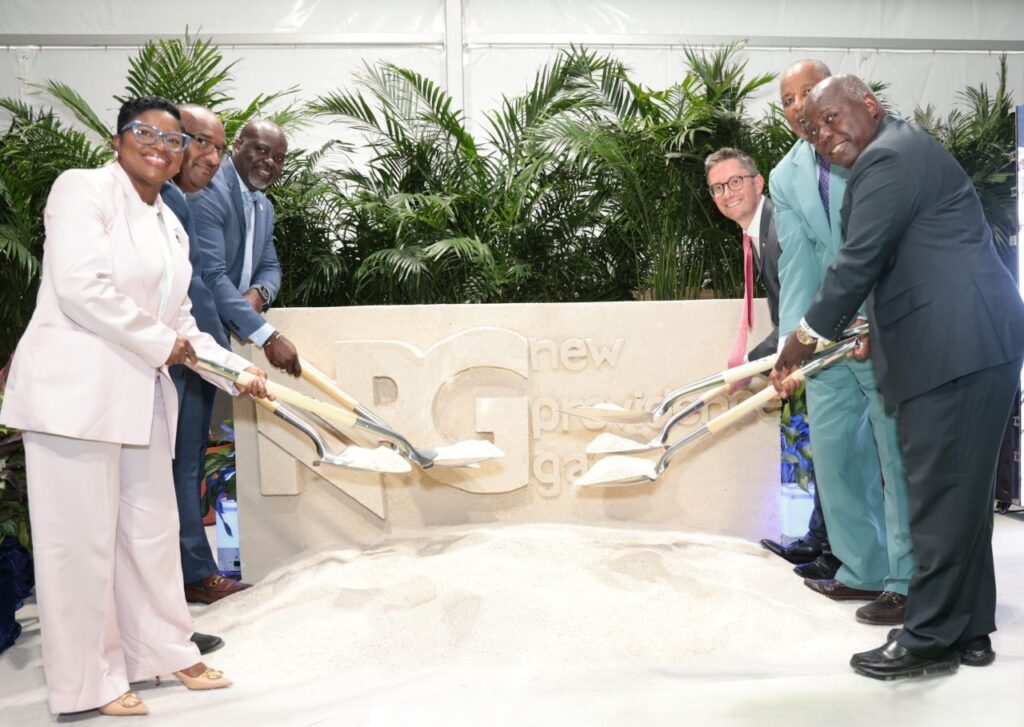
This exciting development comes with Shell acquiring a 40% interest in New Providence Gas (NPG), a joint venture formed with Sun Oil, a subsidiary of FOCOL Holdings. NPG is tasked with the construction, ownership, and operation of this new small-scale LNG regasification terminal. Designed to supply natural gas for power generation, this project aims to meet the needs of New Providence, the most populated island in the region.
The implications of this investment extend far beyond infrastructure. Not only does it promise to modernize the nation’s energy system, but it also offers a cleaner alternative to the traditional fuel oil and diesel-based power generation methods currently in use. With a focus on reliability, Shell is poised to play a vital role in reshaping the energy dynamics of The Bahamas.
One of the key advantages of this project is Shell’s extensive experience as a leading LNG supplier. The company plans to leverage its robust U.S. LNG portfolio, ensuring a steady and secure fuel supply for the terminal. This strategic decision marks an essential step toward diversifying the energy mix of The Bahamas, particularly crucial as the country currently relies heavily on imported diesel and fuel oil for electricity generation.
According to Tom Summers, Executive Vice President at Shell LNG Marketing & Trading, this investment signifies a major milestone for The Bahamas as it transitions towards a lower-emissions energy system. He emphasized that the development aligns perfectly with Shell’s strategic goals of growing their integrated gas and LNG business and reinforces their commitment to competitive, scalable LNG solutions in emerging markets.
The Bahamian government is concurrently pursuing a phased approach to energy sector reform. This shift will gradually convert existing power generation methods to natural gas, ensuring alignment with national demand and sustainability targets. Notably, the country aims to generate 30% of its electricity from renewable sources by 2030, incorporating investments in solar integration, hybrid microgrids across the Family Islands, and utilizing LNG as a vital transitional fuel on New Providence.
Sizing up the broader picture, Shell’s LNG regasification project not only relates to the dynamics of The Bahamas but also reflects a global trend toward cleaner energy solutions. With the backing of their worldwide experience in delivering LNG-to-power solutions, Shell plans to implement a scalable model that can be replicated in other emerging markets. This plan is designed to balance affordability, reliability, and environmentally friendly practices in power generation.
This modernization initiative underscores the critical role that natural gas, including LNG, will play during the energy transition. Shell maintains that gas serves as a stabilizing force for national grids, particularly as more intermittent renewable energy sources come online. In this context, LNG emerges as a lower carbon alternative in various sectors, including power generation, heavy-duty road transport, and shipping.