
Norway’s state-owned energy giant Equinor is charting a significant course toward a potential new subsea development in the North Sea. This initiative is poised to sustain production and enhance value creation from one of the largest oil-producing assets on the Norwegian Continental Shelf (NCS).
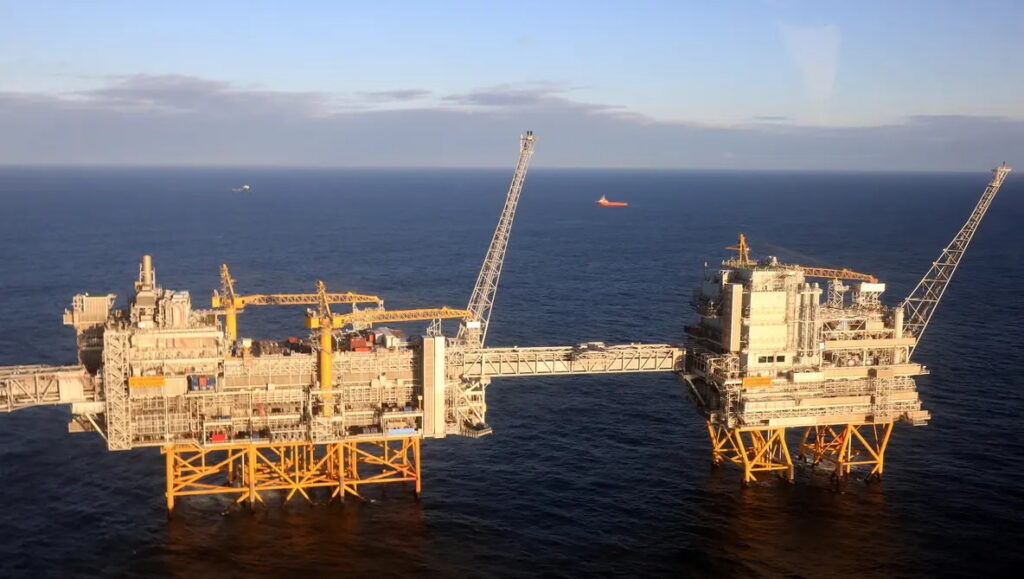
The foundation for this development lies within the Johan Sverdrup area, particularly as new volumes from this region feed into the Johan Sverdrup phase 4 project. Equinor, along with its partners, is currently advancing plans for a subsea development in the northern part of the field, which is anticipated to bolster Europe’s energy security. Presently, the stakeholders in the Johan Sverdrup unit include Equinor (operator, 42.62%), Aker BP (31.57%), Petoro (17.36%), and TotalEnergies (8.44%).
The significance of this initiative is underscored by recent appraisal wells in the Johan Sverdrup area, which have confirmed increased oil volumes. Notably, the recent discoveries in the Tonjer and Geitungen wells will now serve as the cornerstone for the fourth phase of development. Kjetil Hove, Executive Vice President for Development and Production Norway at Equinor, highlighted the importance of these newfound resources, stating, “These are important and profitable volumes for Johan Sverdrup.”
Hove further explained that by integrating these new resources with the existing infrastructure, Equinor can expedite development while minimizing costs and emissions. This approach is vital for sustaining production and value creation from one of Norway’s largest oil-producing fields over the long haul.
According to the plans laid out by Equinor, the volumes from Tonjer, both west and east, as well as Geitungen, will be harnessed through a subsea development connected to the existing infrastructure at Johan Sverdrup. Hove noted, “Johan Sverdrup has been the backbone of Norwegian oil production since its inception. To maintain production and value creation for decades to come, we must continuously develop new resources around the existing infrastructure. Phase 4 is a good example of how we can get more out of a world-class field.”
Tonjer is located in the northernmost section of the Geitungen terrace within the Johan Sverdrup area. While oil deposits had previously been identified in this region, the precise volume and potential remained ambiguous. The recent drilling of two appraisal wells and a sidetrack has provided a more accurate insight into the resource base.
Equinor has projected that the early estimates for Tonjer and Geitungen combined could yield between 20 and 30 million barrels of oil equivalent. However, further analyses of subsurface data will refine these resource estimates. As the project moves forward, it is inching closer to an investment decision (FID) with an estimated production start-up timeline around 2029, aligning with Equinor’s strategic intent to accelerate its extensive portfolio of subsea developments.
Equinor emphasizes that the primary objective is to amplify value creation from existing fields through rapid project development and increasing the number of subsea developments linked to current infrastructure. This strategy reflects a collective vision shared by Equinor and its partners.
Aker BP also sees potential in the development concept being evaluated, which entails a subsea tie-back to the existing Johan Sverdrup infrastructure. This approach is expected to facilitate efficient development while ensuring low unit costs, reduced emissions, and a swift transition from investment decision to first production.