
Standing on the sun-drenched rooftop of what might be the largest private residence in Jerusalem, Tomer Dowek described how a mansion in the capital’s central Talbieh neighborhood became part of Israel’s cultural history.
“When industrialist Miles Sherover opened this home in 1956, it was the largest private residence in Israel and became a center for hosting heads of state, international dignitaries, and the elites of Israeli society,” explained Dowek, vice president of business development at Prosperity Real Estate, the agency managing the estate’s sale. “There are no private estates of this scale available today.”
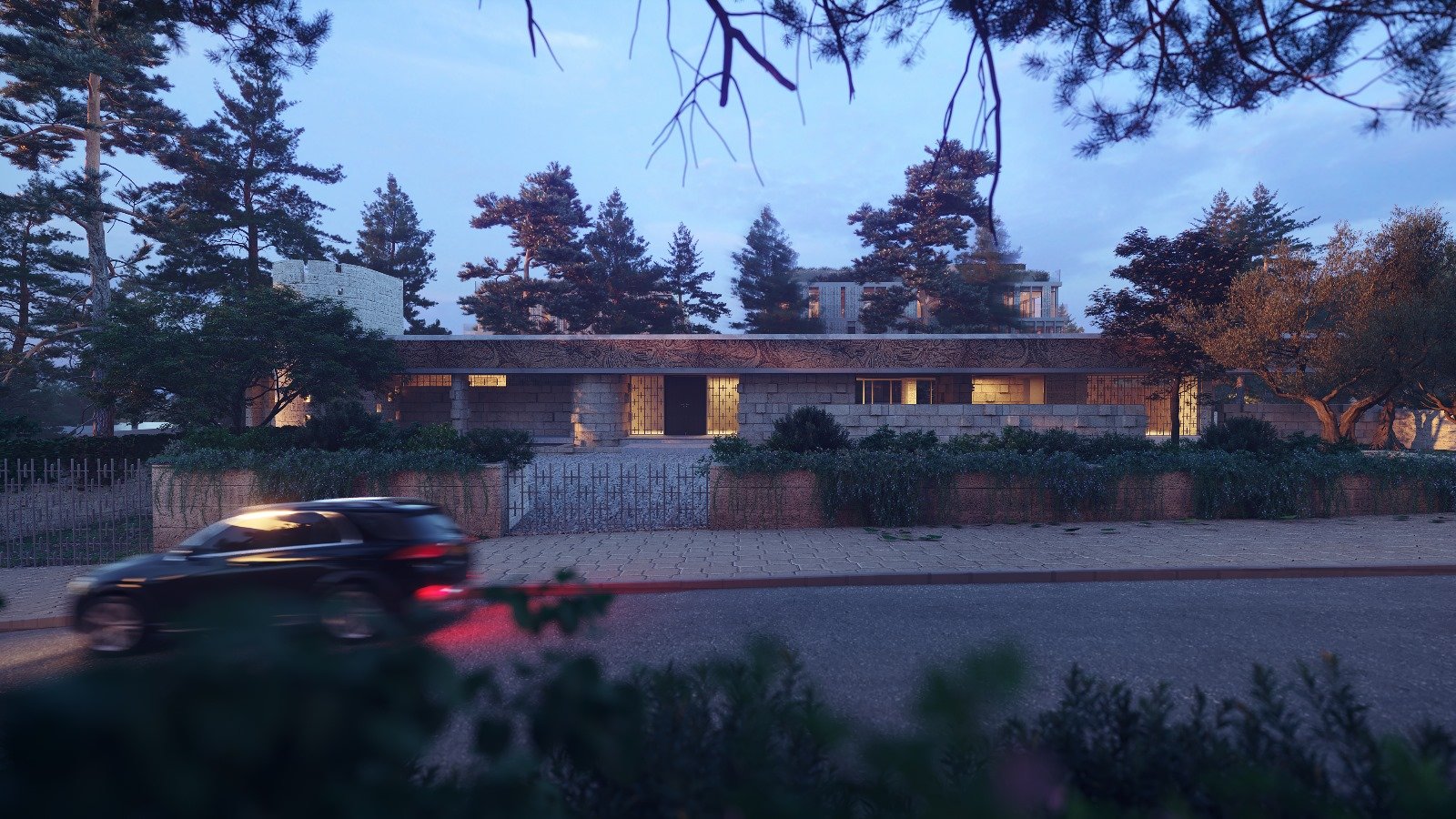
The property, popularly known as Villa Sherover, features a massive home of 1,200 square meters (12,916 square feet) tailored for an owner who enjoys hosting large events. The mansion boasts expansive areas for bedrooms, entertainment halls, wine cellars, and an indoor swimming pool. Its three stories include historic works of art, delivery docks, and side entrances for caterers, allowing the preparation for grand feasts without disturbing the residents.
The original 5.5 dunam (1.4-acre) plot was recently divided, with the lower half now accommodating the new One Dubnov luxury apartment complex, which overlooks southern Jerusalem. However, with 2.4 dunams (0.6 acres) of land remaining, the property still stands as a unique asset in the city — on the market for the right buyer. The seller has requested that the asking price not be disclosed.
“We have several people from overseas showing interest,” said Ronit Dowek, the owner of Prosperity and Tomer’s mother, during a private tour of luxury homes with The Times of Israel. “Properties of this caliber don’t become available very often in Jerusalem.”
A Growing Luxury Market
Properties of the level of Villa Sherover are experiencing increased demand as wealthy Jews from around the Diaspora seek to transition their lives to the Holy City. Local real estate agents report a growing number of overseas investors purchasing homes ranging between NIS 10-25 million ($3.1-7.8 million) in Jerusalem. Meanwhile, a smaller segment of ultra-wealthy buyers is drawn to larger, more unique homes costing NIS 100 million ($31 million) or more.
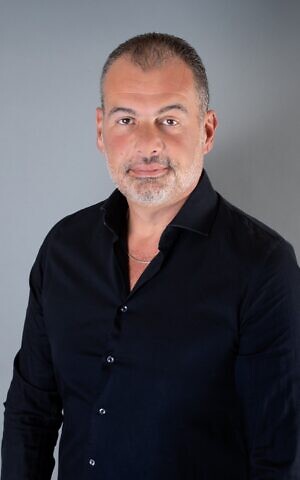
“We are talking about people who 10 years ago would have typically bought small apartments for vacation rentals,” explained Oren Cohen, founder of the Oren Cohen Group, specializing in luxury real estate in the capital for over 30 years. “Now, we’re seeing these individuals buy larger homes of 250 square meters (2,690 square feet) or more, investing significantly in interior design to replicate the lifestyle they have abroad.”
The rise in antisemitism is a significant factor driving Diaspora Jews to purchase homes in Jerusalem. For instance, over 60 percent of the Jewish community in the UK considered leaving since the outbreak of hostilities with Hamas on October 7, 2023. Moreover, more than half believe they do not have a long-term future in the UK, as shown by a recent survey by Campaign Against Antisemitism.
However, shifting social dynamics are also pivotal, with many individuals wanting to remain close to family members moving to Israel. A significant portion of clients consult Dowek, expressing intentions to move to Israel within two years and live there full-time.
Needs and Privileges
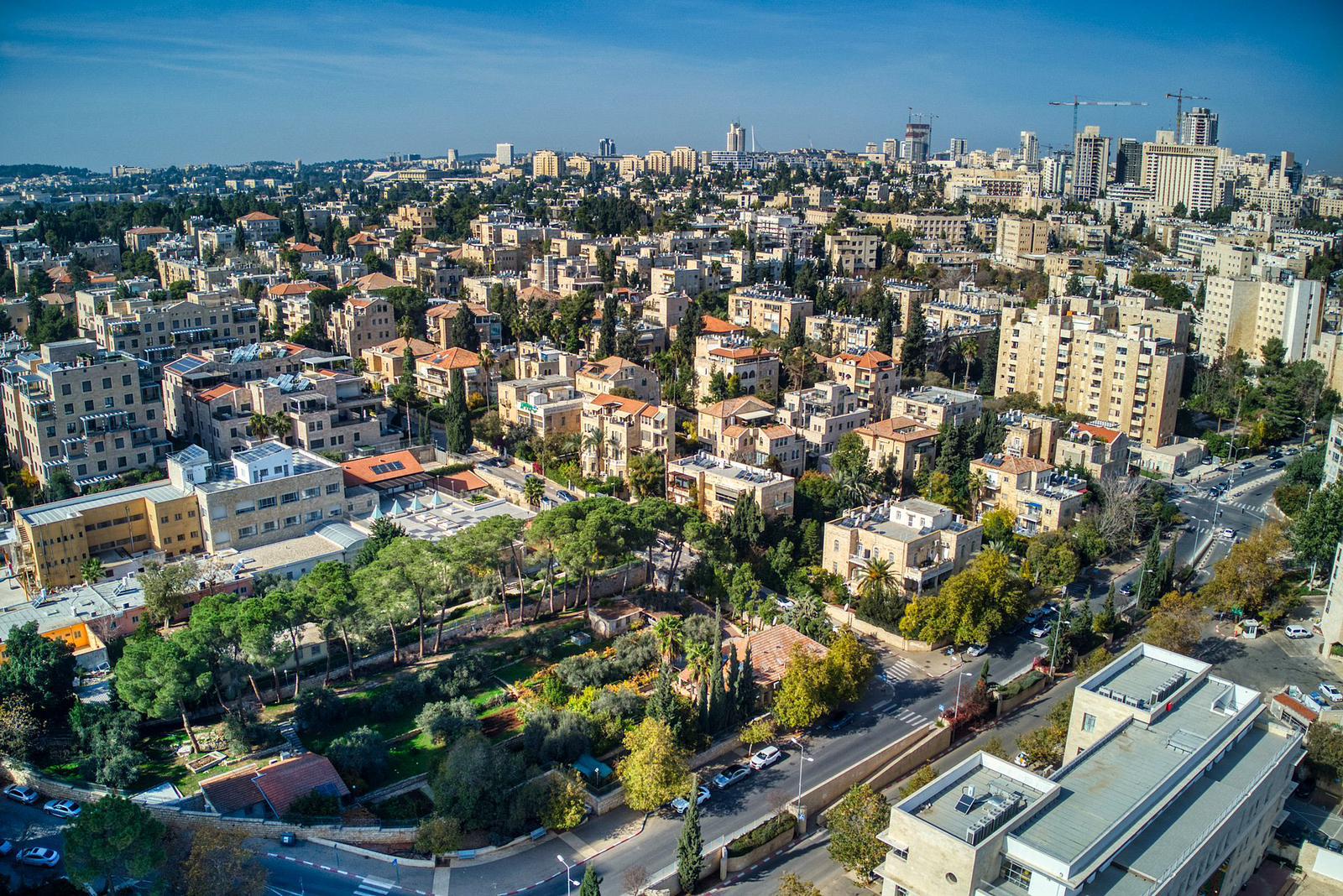
In Jerusalem, most luxury buyers are religious Jews primarily hailing from the United States, Australia, Canada, and Europe. The burgeoning English-speaking communities in neighborhoods such as Shaarei Hesed, Rehavia, the German Colony, and Baka facilitate easier integration for these buyers into new communities.
“In general, buyers in Jerusalem are seeking specific locations associated with certain communities that fit their lifestyles,” noted Dowek. “The availability of English-speaking peers aids in making the transition smoother.”
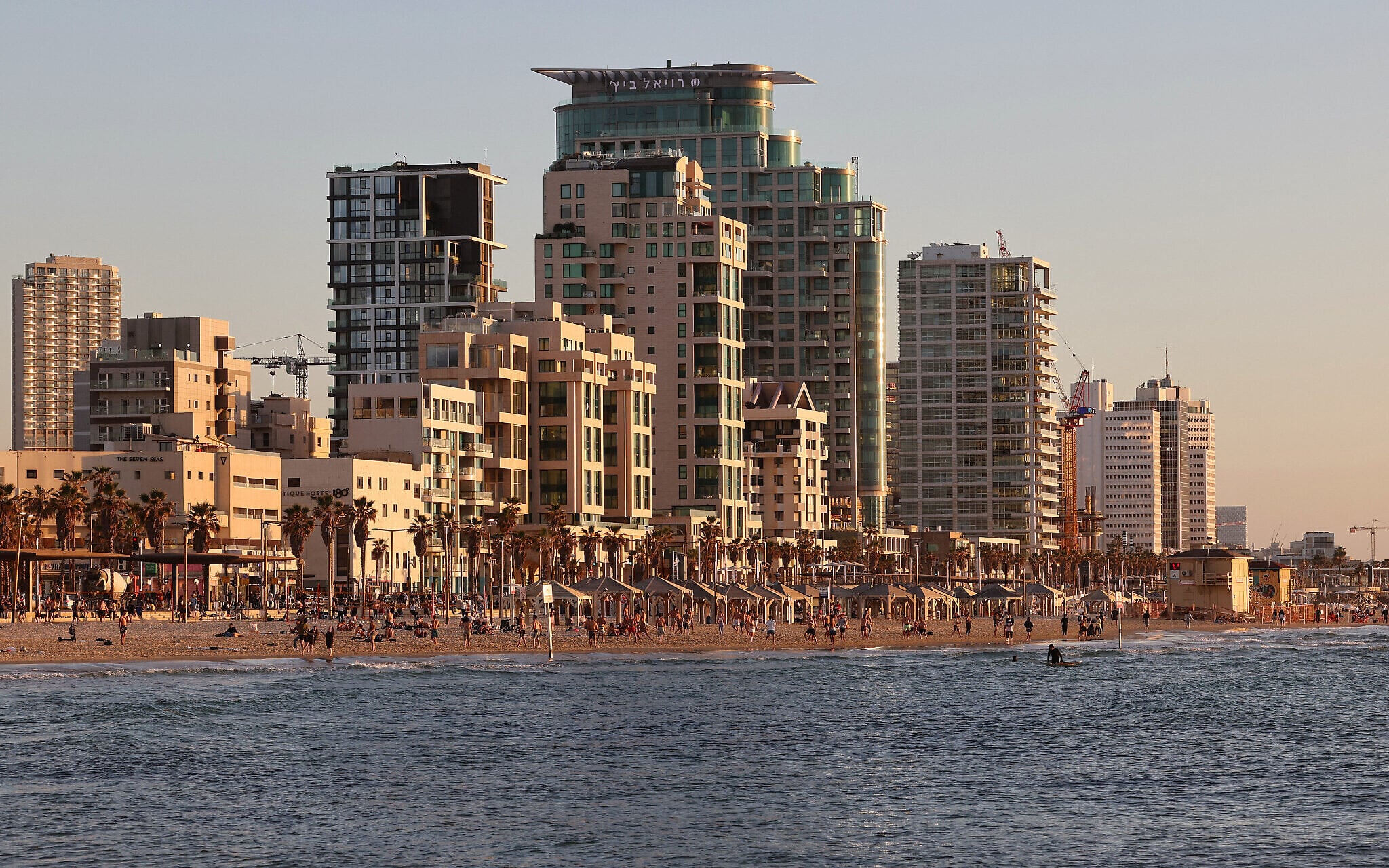
In contrast, the market in Tel Aviv leans more towards Israeli characteristics, with buyers typically looking to reside near the beach, according to Dowek. Areas like Herzliya, Ra’anana, and Netanya provide excellent English-speaking communities for those preferring to reside in central Israel.
Such affluent buyers may approach Israeli agents with caution due to a perception that they may not fully grasp the luxury market, Cohen added. “The clients I work with are discreet, sophisticated individuals who prioritize quality and fair value for their money. They possess an understanding of luxury and are discerning about their choices, often seeking reputable professionals they can trust.”
The trend is evident as many wealthy buyers choose to remodel their homes, seeking to enhance features like bedroom sizes or adding amenities such as private pools or media rooms, as noted by Levi Feld, a newcomer to the luxury market who recently opened a private office in Jerusalem.
Catering to the Ultra-Wealthy
On the other hand, ultra-wealthy buyers in Jerusalem generally seek more than a mere luxurious dwelling, according to Dowek. Many of these clients, often boasting assets of over a billion dollars, are searching for homes of profound significance.
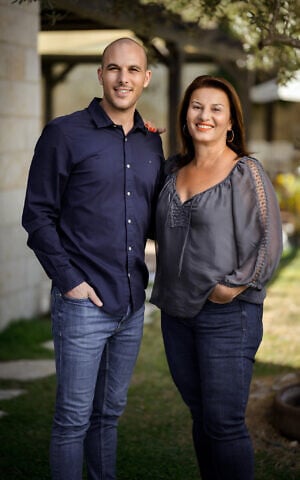
For instance, the future owner of Villa Sherover will likely appreciate the rich history and design of this iconic home in Jerusalem, according to Dowek. “In cases like these, price isn’t determined by square meters or conventional metrics; instead, it resembles the acquisition of a rare jewel or unique artwork, which has intrinsic value measured differently.”
This is reflected in a recent sale involving a hundred-year-old, 650-square-meter (6,996 square feet) home in Talbieh, once owned by the philosopher Martin Buber, which was sold for $21 million in a landmark deal orchestrated by Dowek.
When it comes to a property like Villa Sherover, Dowek speculates that perhaps only a few hundred individuals globally could be potential buyers, although the pool is gradually expanding.
The Story of Villa Sherover
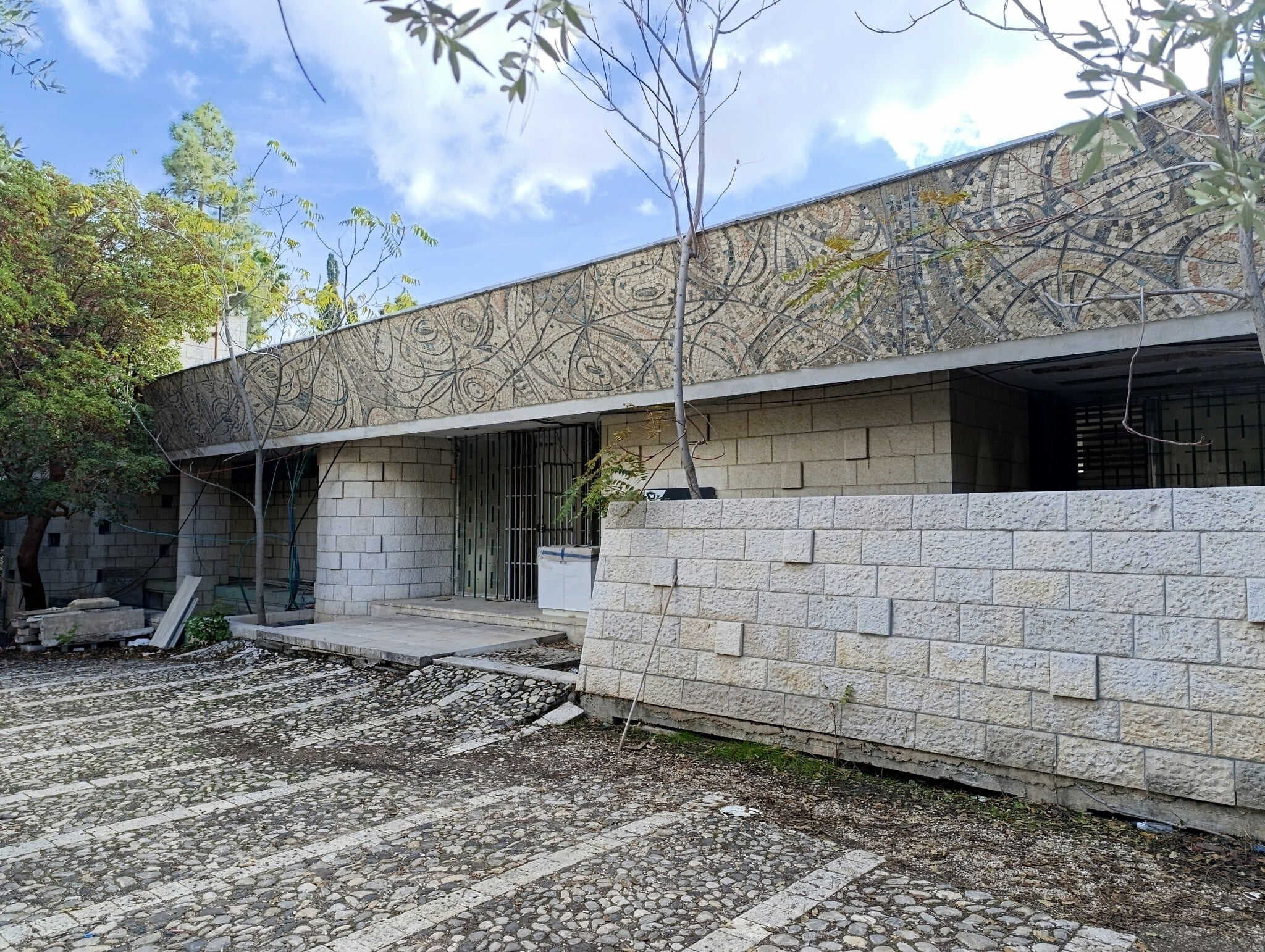
Located on Jerusalem’s Pinsker Street, Villa Sherover is surrounded by some of the city’s most prestigious residences, with views overlooking the Jerusalem Theater and the new Theatron Hotel. Passersby can witness the villa’s distinctive roofline, topped with a vibrant mosaic by Dutch sculptor Cornelis Zitman.
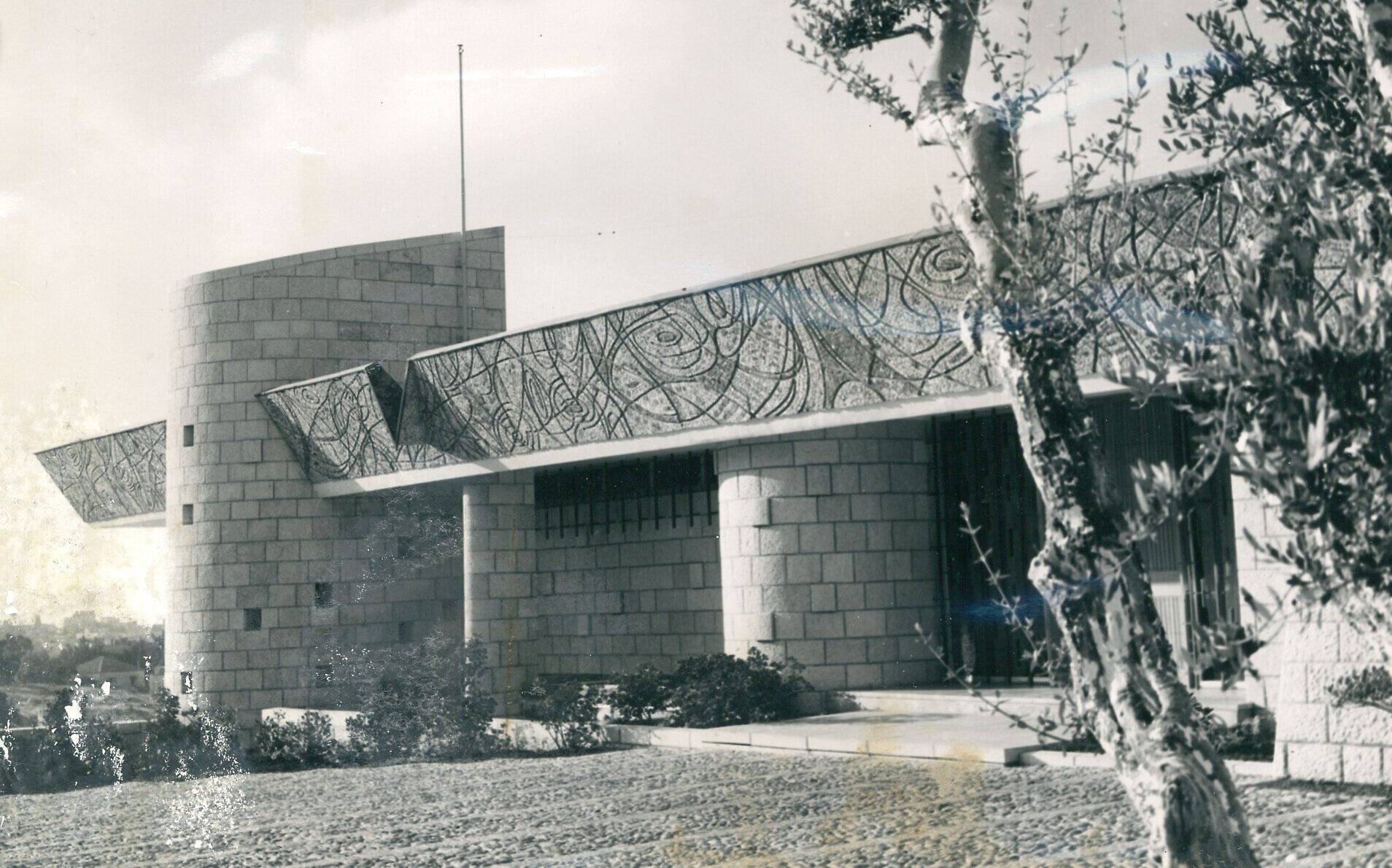
The villa was commissioned by Miles Sherover, a Jewish businessman who amassed wealth in the steel industry. Designed in the 1950s by Venezuelan architects Carlos Guinand Sandoz, Moses Ben-Asheraf, and Emilio Vestuti, the structure aimed to infuse a bold South American modernist style into the conservative postwar architectural landscape of Jerusalem.
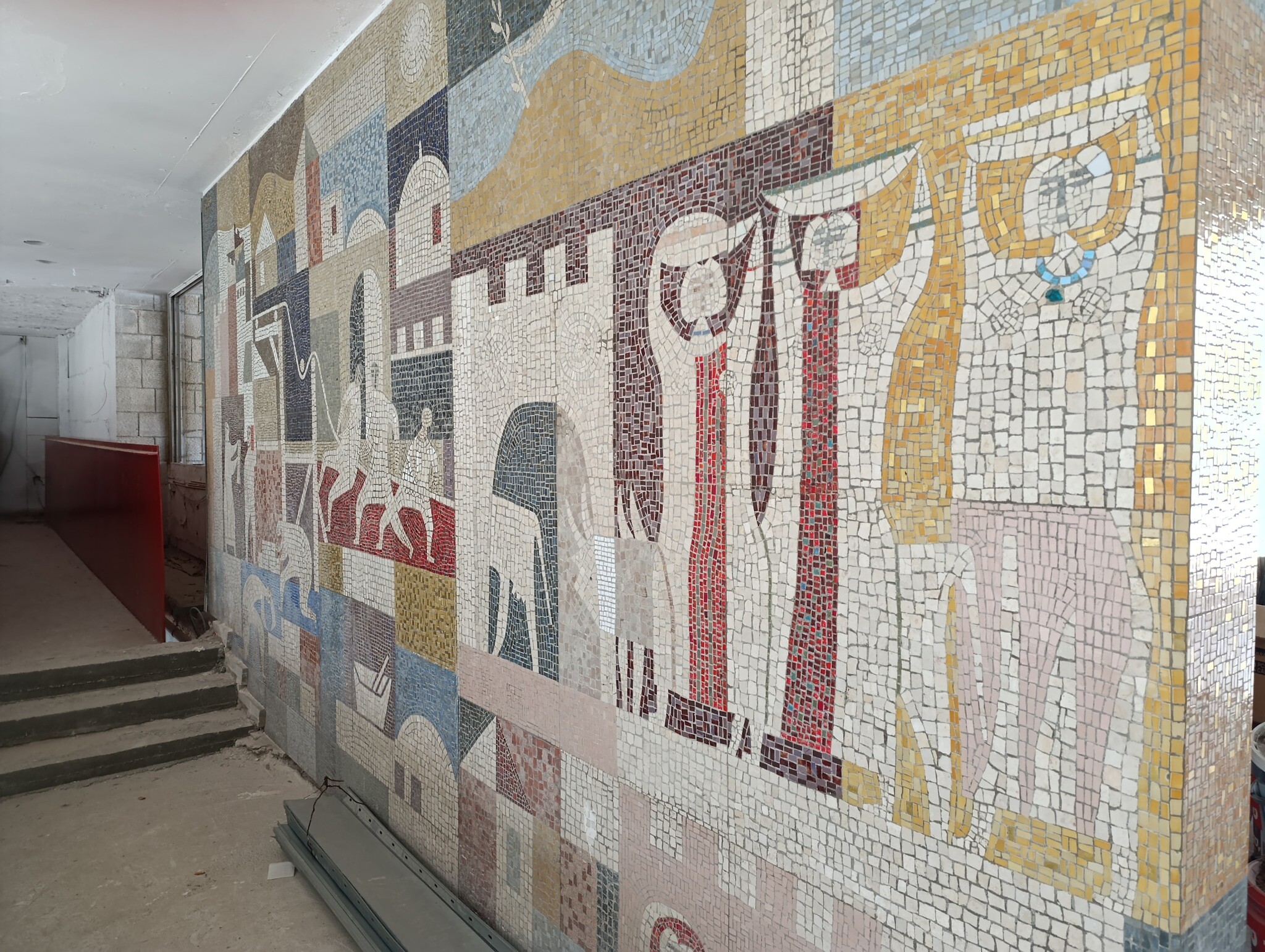
For the interior, the Sherover family enlisted renowned Israeli designer Dora Gad and her husband Yehezkel to create a cohesive aesthetic that incorporated permanent artworks, including a monumental wall mosaic by Zvi Gali, a tapestry by Yaakov Wexler, and custom-made furnishings, textiles, and lighting designed by Gad herself.
Many of the original mosaics remain today and are designated for conservation, even as the rest of the villa’s interior has been stripped to its foundations following its sale to a private buyer in 2014.
Following its inauguration in 1956, Villa Sherover emerged as a focal point of Jerusalem’s civic and cultural life, where Miles and Gitta Sherover hosted resplendent gatherings frequently compared to lavish European palace events. The Sherovers were recognized for their philanthropy, contributing to the establishment of the Jerusalem Theater’s main hall, the Sherover Promenade in Armon Hanatziv, and the Beit Gabriel cultural centre near the Sea of Galilee.
After Miles passed away in 1976, Gitta offered the villa to the state as a residence for foreign dignitaries, but the proposal was declined due to maintenance costs. Later, she sold the property while retaining a portion of the land for a smaller home designed by architect David Resnick.
Today, the interior of the once-grand villa is stripped back to bare walls, awaiting a new owner to refine it. The 700-square-meter (7,535 square foot) roof terrace still provides breathtaking views of southern Jerusalem, while the extensive 690-square-meter (7,427 square foot) driveway, capable of accommodating at least ten cars, needs refurbishment.
Gali’s original wall mosaic remains intact, along with a central fireplace and soaring eight-meter (26-foot) high ceilings. The spacious layout serves to highlight that the structure was conceived for entertainment.
“It’s a unique type of property for someone with the vision to take it on and redesign it in their own style,” remarked Dowek.
A Historic Family Apartment Building
A contrasting property that may appeal to a different type of buyer is a 900-square-meter (9,688-square-foot) apartment building built in the 1930s on Abarbanel Street, located in the heart of Rehavia. This building showcases the city’s architectural evolution during the early 20th century.
Designed by Yehoshua Salant, a significant architect of the British Mandate period, the structure exhibits many of his hallmark architectural features, such as clean lines, curved staircases, and elegant geometric detailing. Surrounded by open spaces and greenery reflective of the “garden city” concept, the building has been home to numerous prominent public figures and intellectuals. The original art deco finishes in carpentry, metalwork, stonework, and proportions have been well-maintained, making it one of the finest examples of Mandate-era modernism in the neighborhood, according to Dowek.

The building is divided into nine apartments, but prospective buyers might consider transforming the entire structure into a private home or splitting it into five larger units for family use, according to Dowek. Its asking price stands at NIS 75 million ($23.5 million).
The Bishop’s House
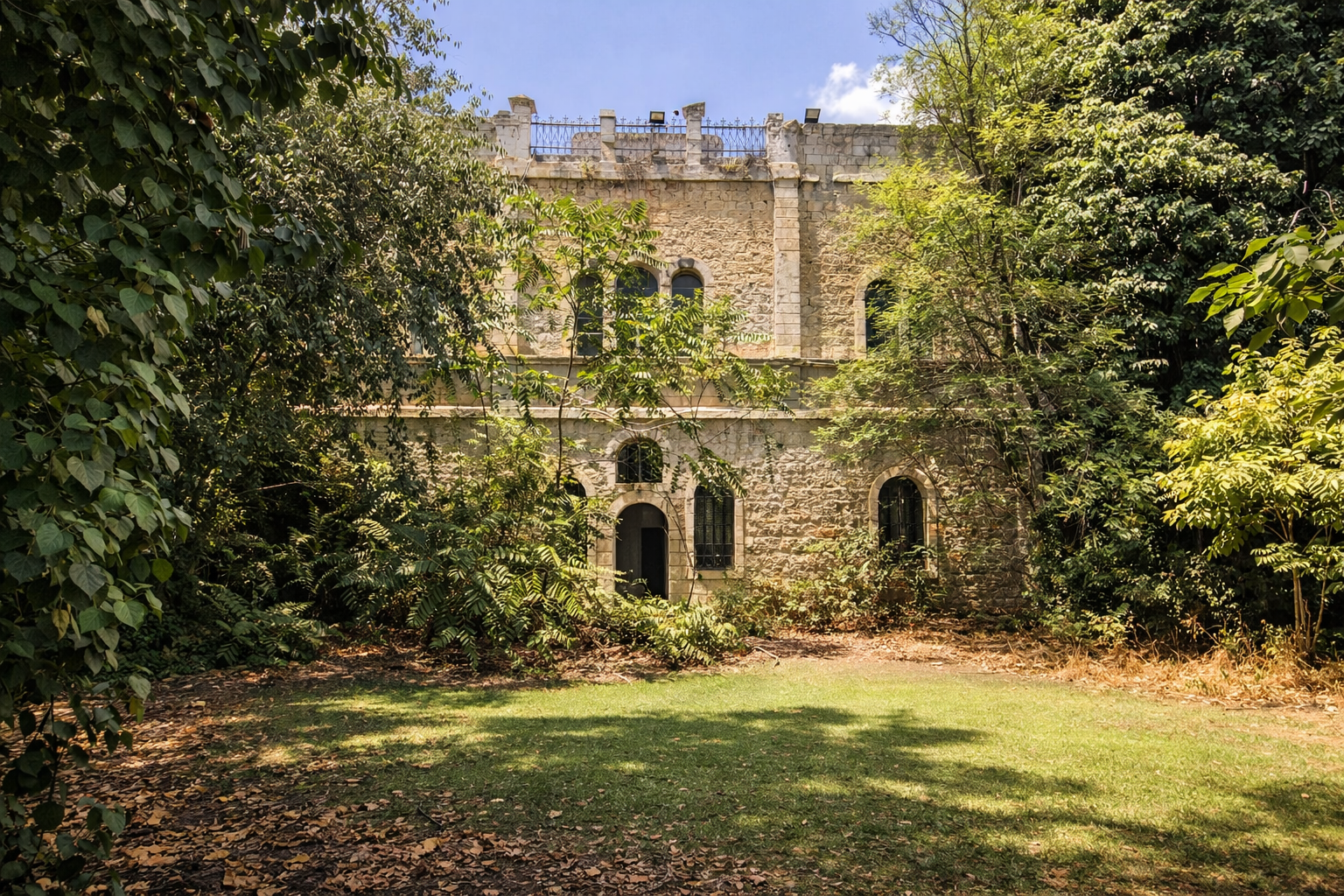
Dowek’s agency has also begun representing The Bishop’s House, a two-story stone building constructed in the late 1800s at 25 Hanevi’im Street. Characterized by rich detailing, spacious interiors, courtyards, and distinctive stonework, it is a remarkable historical artifact.
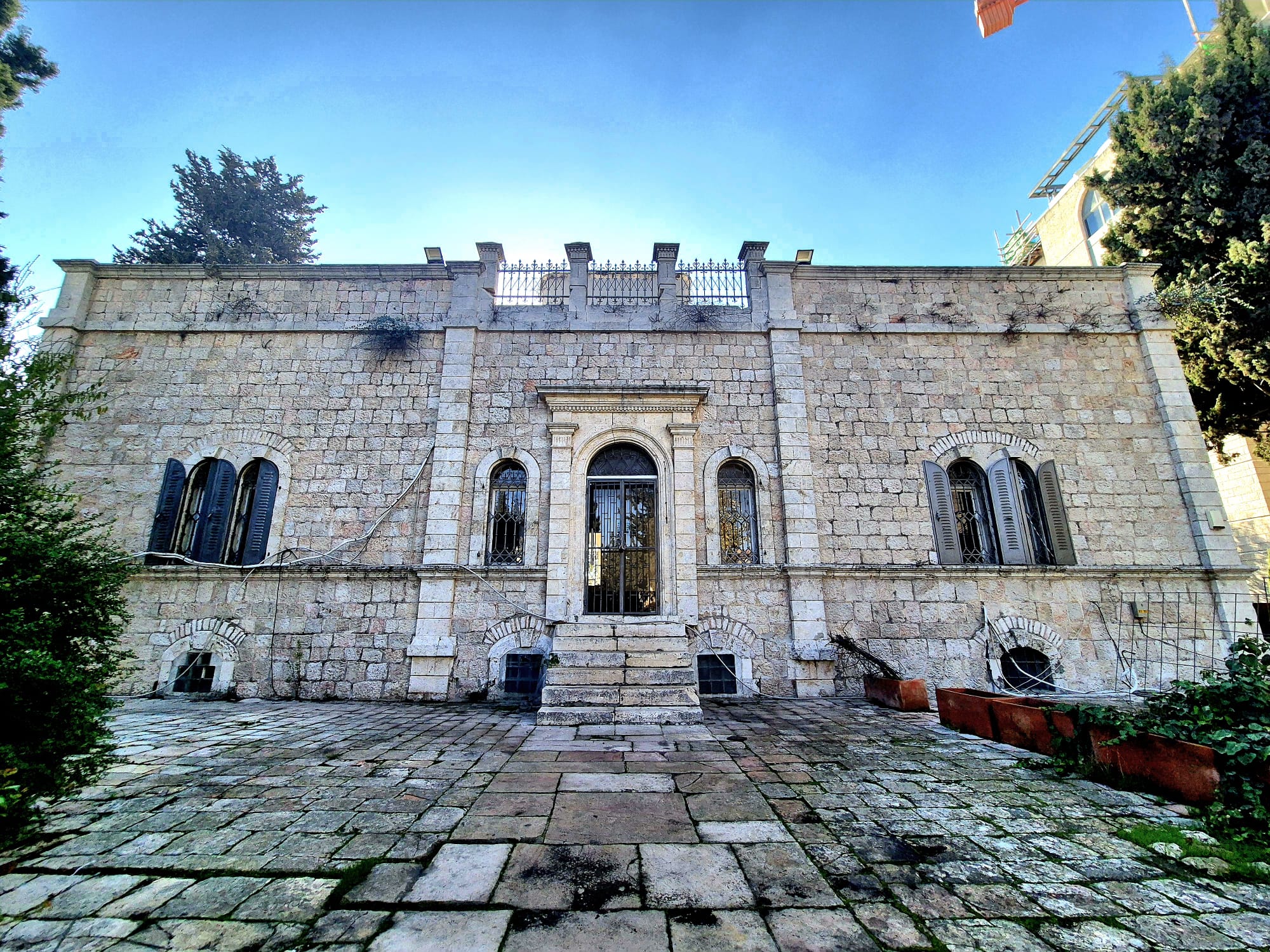
Originally a guesthouse for the head of the London Society for Promoting Christianity Among the Jews, this compound includes a 1,145-square-meter (12,324-square-foot) building, formerly featuring a large walled courtyard, horse stables, and a guardhouse. Presently, it boasts a 782-square-meter (8,417-square-foot) courtyard and a home with 630 square meters (6,781 square feet) of constructed space. A roof area once known as the “Prophet’s Chamber” provides panoramic views of the Old City walls, the Temple Mount, and the Judean Desert.
Recent archaeological excavations have revealed remains from the Byzantine period beneath the site, as noted by Dowek. “This is a rare historic estate, significant for its quiet presence and historical importance, built during a time when Jerusalem began to evolve into an international city.” The asking price for this property is NIS 54 million ($16.9 million).
Modern Luxury
In contrast, newer luxury properties on the market cater to a different clientele. Located in the German Colony, Cohen is promoting the Hashlosha project, which consists of three five-story buildings encircling a private, pastoral courtyard for residents. Just a short walk from Emek Refaim Street, the complex offers 45 apartments, most of which have already been sold.
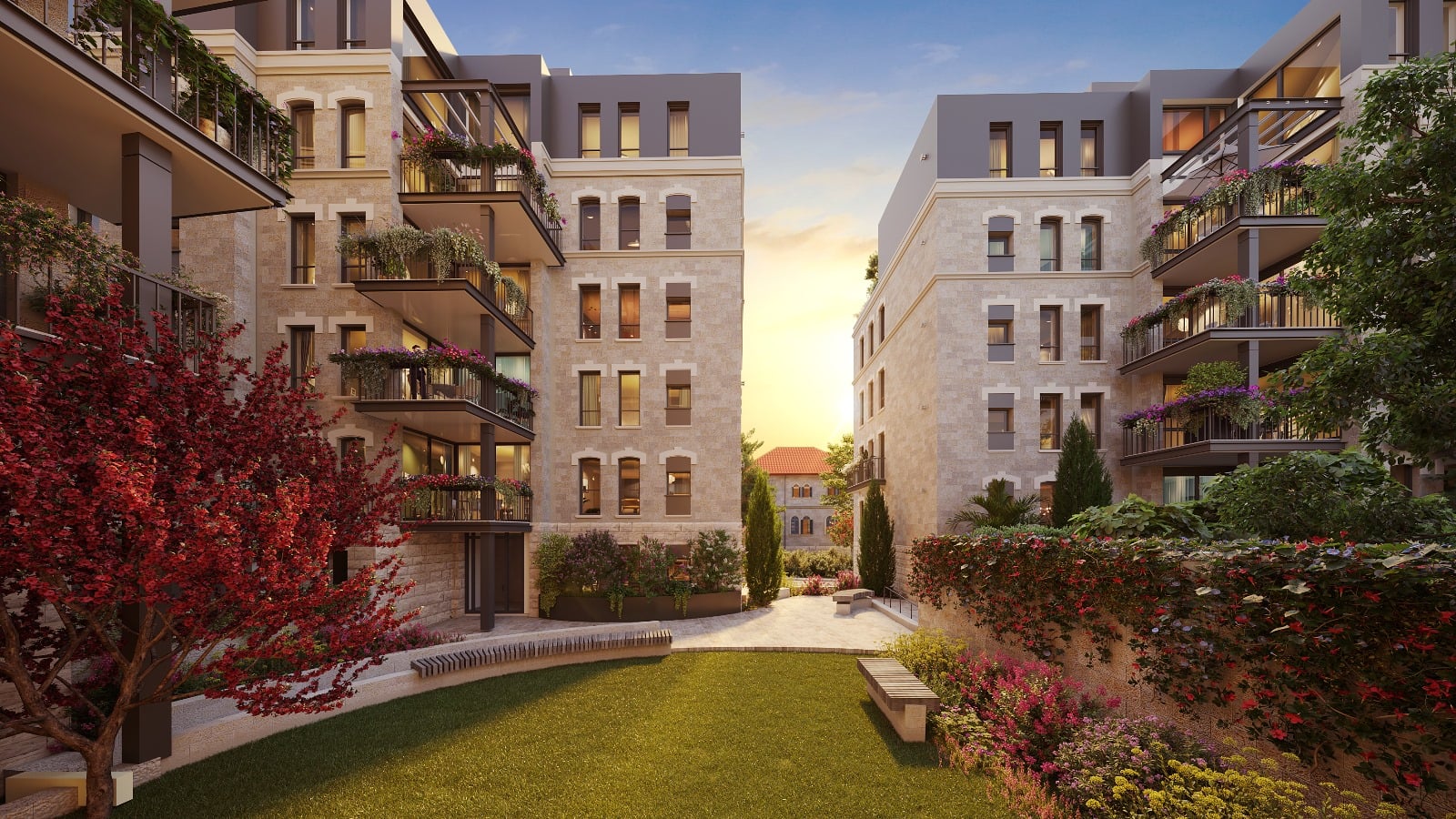
Cohen has recently sold the last of the project’s rooftop penthouses, a spacious 200-square-meter (2,152-square-feet) living space with an additional 78 square meters (840 square feet) of outdoor terraces, for NIS 21.6 million ($6.8 million).
Feld is also marketing a substantial three-story property located in Talbieh, featuring more than 500 square meters (5,382 square feet) of built space, along with a 125-square-meter (1,345 square foot) rooftop that can accommodate a private pool. The asking price for this property is NIS 50 million ($15.7 million).

Due to the limited housing supply and strong demand for properties in Jerusalem’s historic neighborhoods, prices are likely to remain high. This trend continues even as other markets throughout the country have slowed down, influenced by high interest rates and a rising inventory of unsold new homes, amid ongoing concerns surrounding Israel’s security situation.
“Jews around the world are beginning to believe they will arrive here eventually, and demand from overseas continues to surge,” Cohen pointed out. “People will always have the desire to invest in property here.”