
The North Sea Oil Dynamics: New Developments in Licensing and Production Strategy
In a significant move reflecting the evolving landscape of the North Sea oil and gas industry, the UK regulator has opted to extend a license in alignment with another, fostering a collaborative environment for integrated development. This decision impacts Aberdeen-based full-cycle energy company NEO NEXT+ Energy and its partners, Serica Energy and Jersey Oil & Gas (JOG), as they explore production strategies for a proposed oil project on the UK Continental Shelf (UKCS).
The license in question, P2170 for the Verbier field, has recently received approval for an extension from the North Sea Transition Authority (NSTA). This extension aligns the timeline with the P2498 Buchan Horst license, which is essential for establishing a coherent development strategy across these significant energy assets.
In the context of UK offshore licensing, the second term of such licenses mandates that licensees obtain approval for a field development plan (FDP) before transitioning into the third term. This subsequent phase comprises key development and production activities throughout the field’s operational life. By extending the second term of P2170 by approximately six months, now set to expire on February 28, 2027, the NSTA reinforces its objectives for an integrated area plan. This perspective is crucial for the joint venture partners, who view the phased development strategy as vital for effectively tapping into the resources of Buchan.
Andrew Benitz, CEO of Jersey Oil & Gas, highlighted the importance of this extension: “We are pleased to receive a licence extension on our existing Verbier licence, which now aligns the timing of both of our GBA licences, as we continue to work on engineering the optimal development solution for the area.” His enthusiasm underscores the strategic potential tied to a Buchan-centric production hub that could enhance the region’s overall output and efficiency.
However, Benitz didn’t shy away from addressing the obstacles the industry faces; he emphasized the need for cooperation between the government and the oil and gas sector. “We continue to urge the government to work constructively on critical oil and gas development approvals and bring an early end to the Energy Profits Levy. This has unquestionably led to a significant slowdown in investment activity,” he asserted.
The necessity for a collaborative framework is further emphasized by the continuity of development in the Buchan area. Jersey Oil & Gas plans to submit a request for an extension to the Buchan license later this year, which will incorporate an overall development schedule that also seeks to extend the P2170 license. This proactive approach reflects a strategic reassessment of the overall trajectory of the Buchan development activities in light of the regulatory challenges posed by successive UK governments.
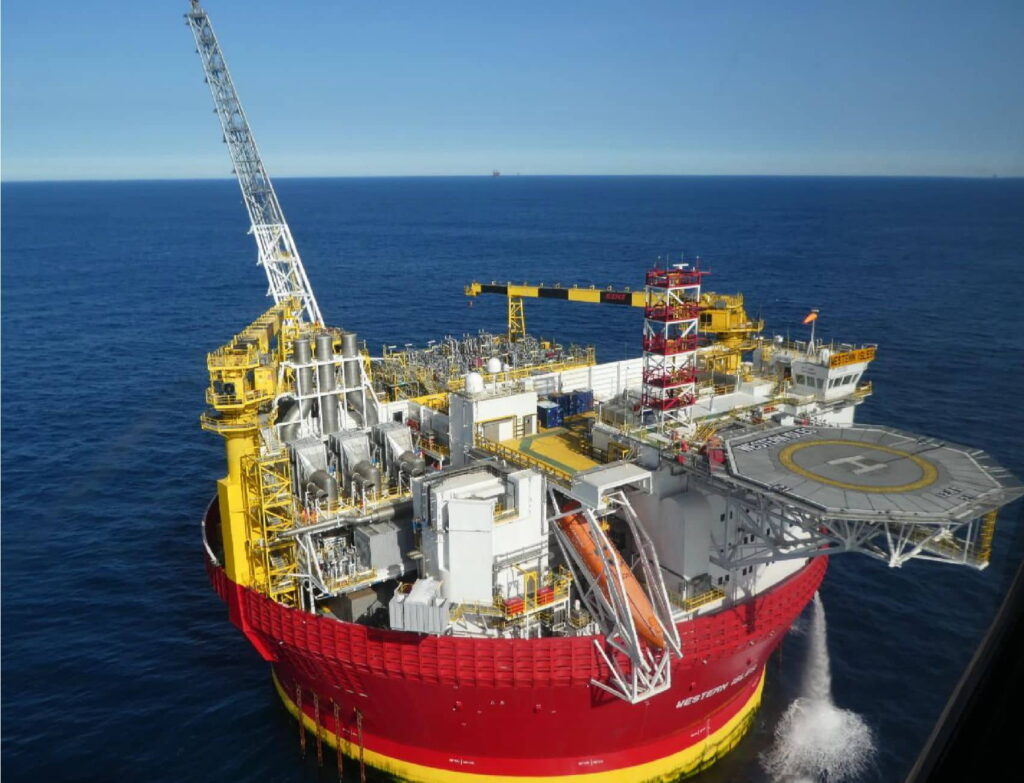
Whereas the original development plan suggested redeploying the FPSO Western Isles as the primary production solution, Jersey Oil & Gas is now re-evaluating this approach. Given the elapsed time, other potential production methodologies are now deemed worthy of consideration as stakeholders look to adapt to the changing landscape of North Sea oil production.
The NSTA’s initiative aims to help the GBA joint venture explore a broader spectrum of opportunities, particularly connecting resources with adjacent production hubs. This integrated evaluation is crucial for ensuring the sustainable management of future UK North Sea resources, allowing for innovation and a thorough exploration of production possibilities.
Looking forward, the joint venture partners are actively establishing a work plan and budget slated to support their objectives through 2027, ensuring that they remain well-prepared for the upcoming developments and regulatory discussions. With hydrocarbon energy still accounting for around 75% of total energy usage in the UK, Benitz notes the importance of prioritizing domestic energy. “We believe that homegrown energy should always be prioritized over imports,” he stressed, signaling a shift towards a more self-reliant energy strategy for the UK.
As the landscape of the North Sea oil industry continues to evolve, support from the government in terms of fiscal and regulatory reforms will be paramount. Only with these reforms can the necessary long-term investments be made, ensuring job protection, energy security, and a successful energy transition for the region.