
Pay Per Mile for EVs
The recent Autumn Budget has introduced significant changes for electric vehicle (EV) owners, particularly concerning taxation. The most noteworthy announcement by Rachel Reeves is the implementation of a “pay-per-mile” tax for electric cars, which is set to take effect from April 2028. This shift addresses the government’s revenue loss from fuel duties as more drivers transition to electric vehicles.
Starting in 2028, EV drivers will be expected to pay 3p per mile, while plug-in hybrids will incur a charge of 1.5p per mile. Notably, this tax will increase annually. Motorists will pay upfront based on their estimated annual mileage, with adjustments made at the year-end to account for any discrepancies. The government anticipates this new taxation scheme to generate approximately £1.4bn in revenue by 2029-30 and £1.9bn by 2030-31, accounting for about 25% of the losses from fuel duty expected by 2050.
Expensive Car Supplement Raised for EV Buyers
In a small reprieve for electric vehicle owners, the Expensive Car Supplement (ECS), a Vehicle Excise Duty (VED) rate adjustment applicable to EVs, will increase from £40,000 to £50,000 starting April 2026. Many electric vehicles fall above the previous £40,000 threshold, leading to significant additional costs for their owners over the first six years of the vehicle’s life.
Analyses show that this enhancement will eliminate the ECS for 51% of new electric cars, a notable increase from just 37% when set at £40,000. According to Reeves, this change is expected to save “over a million motorists” around £440 annually, a welcomed change for many.
Electric Car Grant Extended
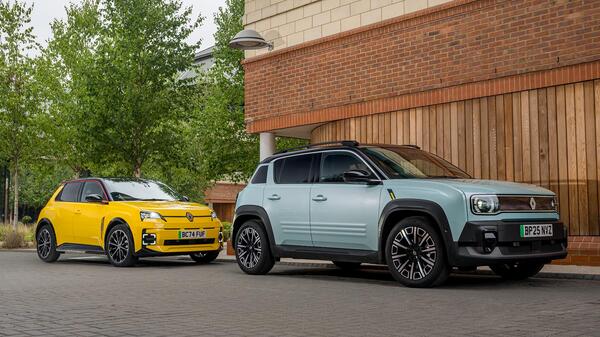
Further good news for potential EV buyers is the extension of the Electric Car Grant applicable to vehicles priced under £37,000 through to 2030. The government plans to invest approximately £300m annually, bringing total funding for the grant to a staggering £2bn. Alongside this, there will be an additional £200m directed towards accelerating public charging infrastructure.
These funds are intended to improve charging accessibility, which is crucial as the number of EVs on the roads increases. There are also consultations on permitted development rights for both cross-pavement and on-street charging, as well as a 100% business-rate relief for public charging installations over the next decade.

Fuel Duty Remains Frozen… for Now
In a bit of straightforward relief for petrol and diesel vehicle owners, the government has opted to keep fuel duty rates frozen for an additional five months, extending until September 2026. Following this, there will be a gradual phase-out of the temporary 5p cut, with fuel duty projected to rise annually in line with inflation starting April 2027. Furthermore, changes that would have affected Employee Car Ownership Schemes, imposing company car tax on vehicles produced and purchased by workers, have also been postponed.
No More ‘Luxury’ Cars on Motability
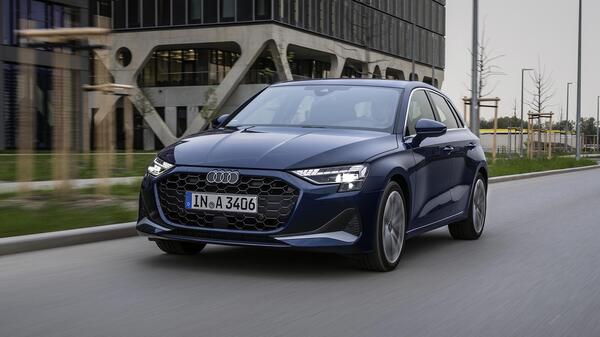
On a less favorable note, changes to the Motability scheme underscore a critical shift for many drivers looking to lease premium models. The Chancellor’s announcement indicates that there will be “no more luxury cars” included in the program. This decision comes amid public scrutiny and affects brands like Audi, BMW, and Mercedes, which are recognized for their significant representation in the Motability scheme lineup. Future offerings will prioritize more vehicles from manufacturers such as Nissan, Mini, and Toyota.
The Autotrader Verdict
The recent budget announcements have elicited mixed responses from the automotive community. As Ian Plummer, Chief Commercial Officer of Autotrader, remarked, “the Chancellor is driving with the handbrake on” regarding electric vehicles. The introduction of the pay-per-mile tax is predicted to result in 440,000 fewer EVs on the road by 2028, presenting a stark contrast to the government’s attempts to increase EV accessibility through other measures. Although raising the ECS threshold is a positive step, it seems insufficient to offset the possible downturn in electric vehicle uptake.

Find Your Next Vehicle on Autotrader
Whether you’re considering an electric vehicle, looking for a hybrid, or interested in traditional fuel options, platforms like Autotrader can help you find the perfect vehicle that suits your lifestyle and preferences. Keep an eye on evolving legislation as it shapes the future of driving in the UK.