
1. Gen Alpha Design
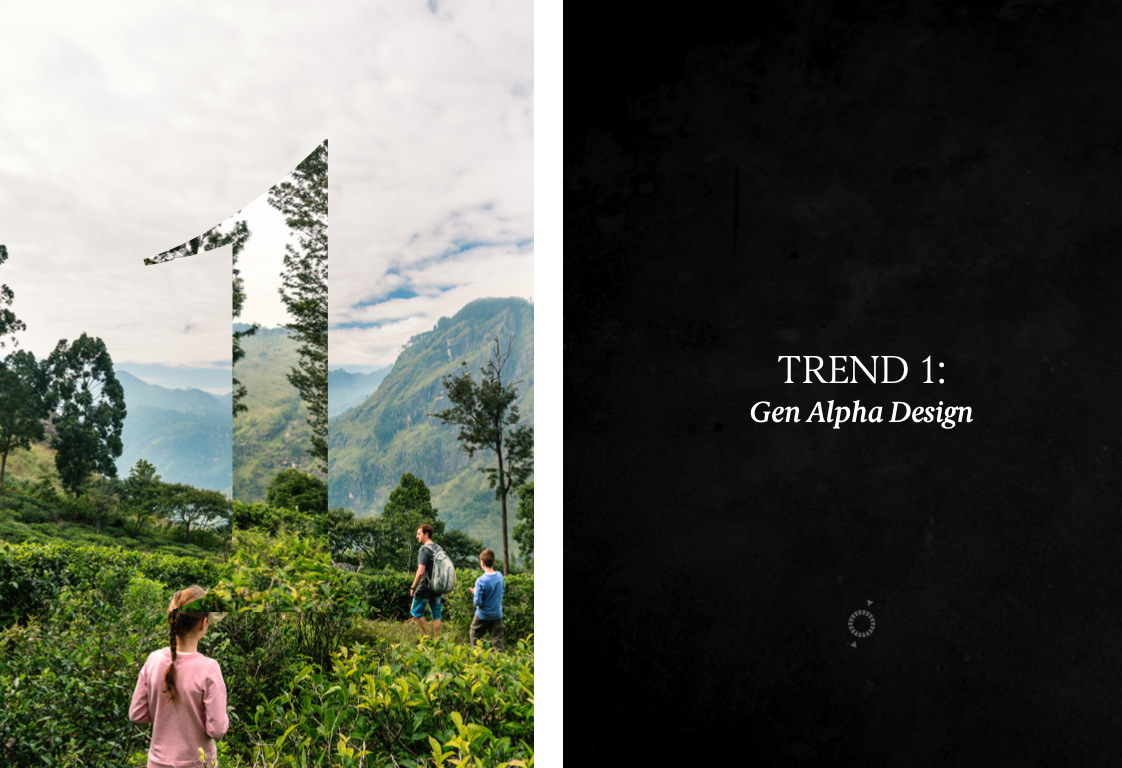 Up until recently, the luxury travel industry has primarily oriented itself towards catering to Millennials (Gen Y). However, as many Millennials transition into parenthood, their travel requirements have begun to evolve, ushering in a renewed focus on Generation Alpha. This shift indicates a fundamental change in vacation planning, where the preferences and needs of children increasingly dictate family travel experiences. After all, as any parent will attest, if the kids are happy, the entire family is happy.
By 2027, Generation Alpha will range from ages two to sixteen, presenting an incredible opportunity for luxury travel companies to recalibrate their offerings. Understanding this youthful demographic and their preferences, intertwined with the unique desires of Gen Y parents, becomes paramount. Additionally, the landscape of family structures is diversifying, with growing representation from LGBTQ+ parents and an increasing number of lone-parent households, highlighting the need for hospitality providers to rethink their approaches and cater to a broader spectrum of modern family dynamics.
2. High-Impact Conservation
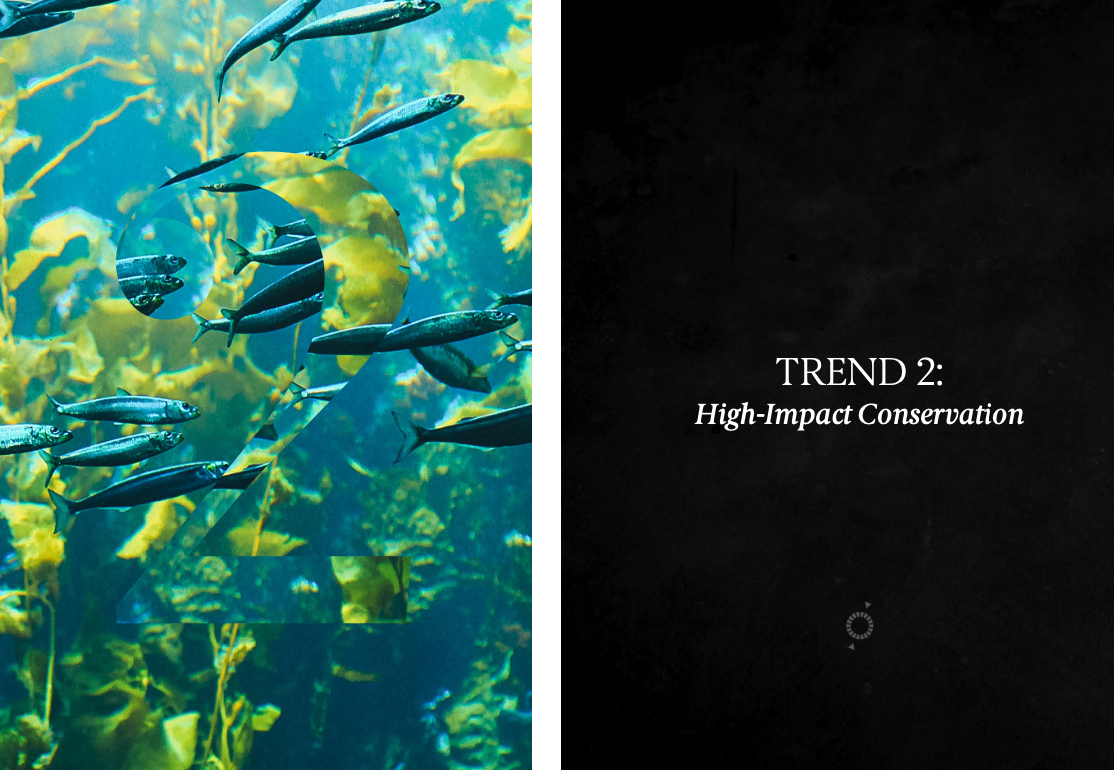 As we look to the future, a trend likely to gain traction between 2023 and 2027 is High-Impact Conservation. High-net-worth clients are increasingly motivated by a desire not only for adventure but for meaningful engagement with the environment. They want to immerse themselves in the Earth’s flora and fauna while ensuring their travels contribute positively to the planet’s preservation and resilience.
In light of pressing global issues like habitat destruction, climate change, and biodiversity loss, there exists a palpable urgency to address the damage already inflicted and witness the breathtaking natural beauty that may soon be lost forever. Today’s luxury is evolving, shifting from opulence defined by material goods to experiences that are rare and enrich the soul. This transformation presents opportunities to foster ethical tourism through impactful adventures in nature.
Travel operators like Pelorus exemplify this intersection of luxury and responsibility by offering trips that embody High-Impact Conservation. Their approach sets a benchmark for ethically conscious luxury tourism that prioritizes environmental stewardship and personal connection to our planet.
3. Gamma Destinations
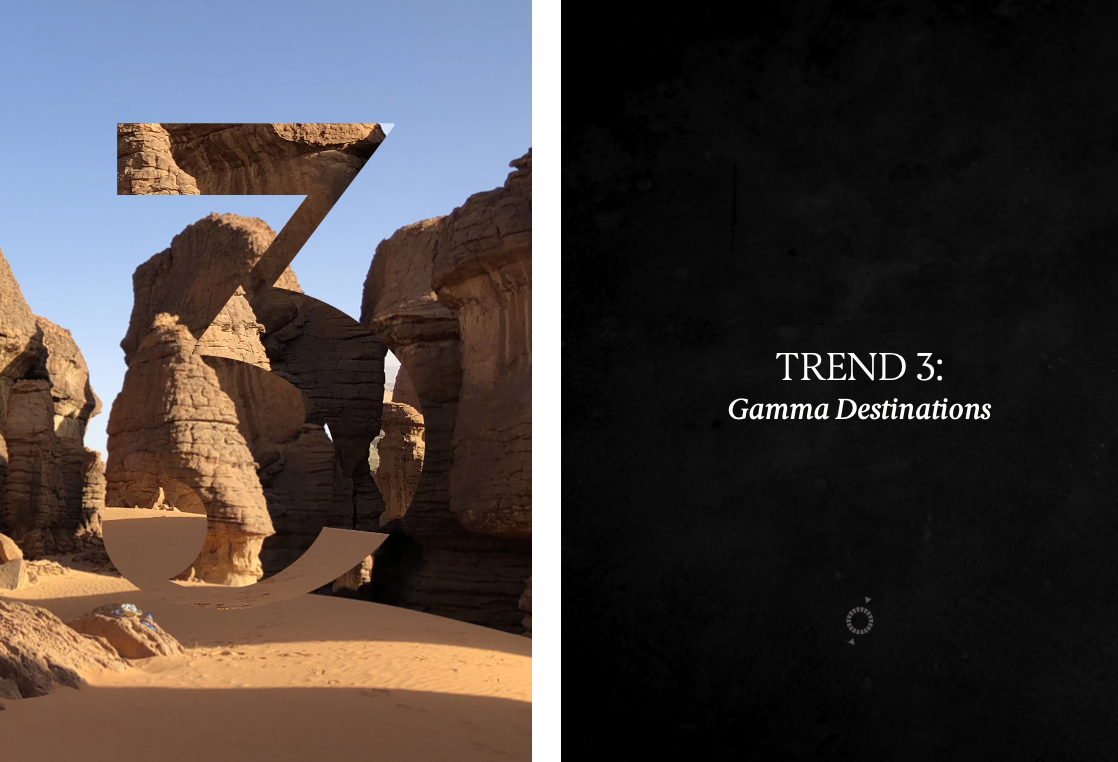 Looking ahead, high-net-worth travelers are likely to shift their focus from overcrowded “Alpha Destinations”—iconic locations such as Machu Picchu, Angkor Wat, and Mount Everest—to “Gamma Destinations.” In an era fueled by social media hype that often leads to saturation, the allure of exploring lesser-known or less-frequented locales grows stronger. As travel restrictions ease, particularly with China reopening its borders, a new wave of travelers is anticipated, intensifying competition at popular sites.
Traditionally sought-after destinations, even those categorized as “Beta Destinations” like Bhutan and Antarctica, may soon face their own challenges of overcrowding. Amidst this changing landscape, companies like Pelorus are well-positioned to cater to the desires of adventurous travelers seeking out rare and extraordinary experiences. There is a rising craving among the upper echelon of travelers to discover new frontiers, with untapped locations such as Socotra in Yemen emerging as the next big thing in luxury travel.