
David Moyer, Executive VP of Developer Services at Smith & Associates Real Estate, has devoted over two decades to navigating the dynamic Tampa Bay real estate market. His extensive experience particularly highlights the intricate dynamics between new construction and existing multifamily projects in Tampa and St. Petersburg.
As he gazes into the crystal ball for 2026, Moyer senses a prevailing trend of stability. “We just don’t see too much dramatic change,” he notes. “Overall, I believe things will be steady and consistent.” Yet, beneath this veneer of stability lies a profound transformation in buyer mindset and the inventory landscape.
St. Petersburg Enters a New Phase
St. Petersburg is on the brink of a significant change, with an influx of new condominium inventory coming onto the market—units that are ready for buyers to inhabit immediately. Moyer points to notable projects like 400 Central and Art House, which are providing finished residences rather than steering buyers toward a competitive resale market.
“Buyers will have opportunities to buy move-in-ready condos, which has never really been the case,” he explains. “Most developments haven’t had inventory.” This shift is beneficial, granting buyers more choices and compelling existing buildings to enhance their appeal.
Alongside this transition, St. Petersburg is also welcoming its first true luxury-branded residence: the Waldorf Astoria Residences. Moyer emphasizes that branded residences elevate the overall product through premium finishes, enhanced services, and professional management linked to a global brand.
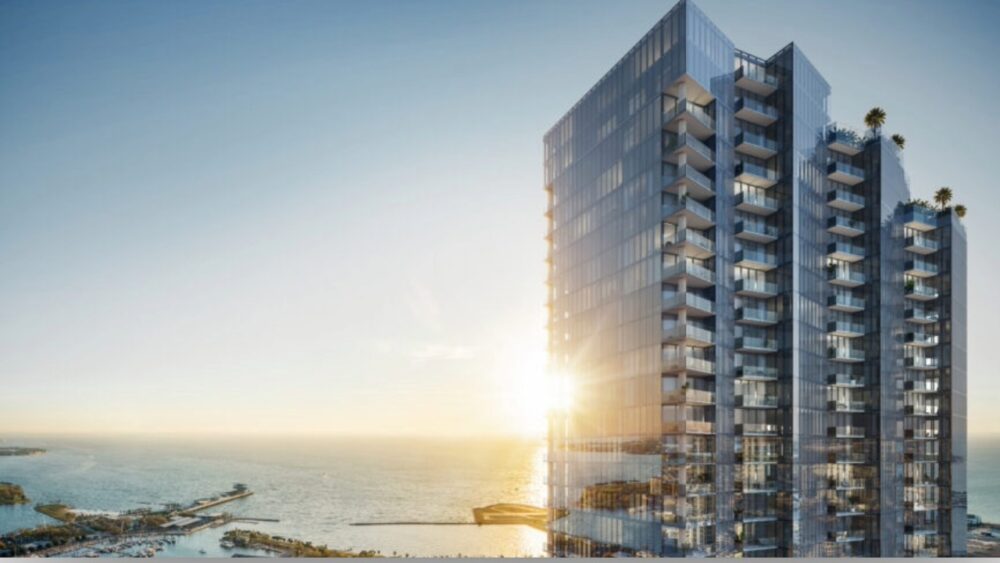
Moyer points out that a name like Waldorf can significantly impact buyer behavior, particularly for those from markets like New York and Chicago. “They’ve seen it. They’ve touched it.” While most pre-construction buyers tend to be locals, such strong branding invites out-of-market buyers to consider making the leap.
“Waldorf will draw more attention to the city,” he adds, even if some do not end up purchasing. “It gives people a reason to check out St. Pete and fall in love with it.”
Tampa’s Supply Stays Tight
In contrast, the landscape in Downtown Tampa tells a different story. Currently, the area is grappling with a lack of new condominium towers launching in the near term. “There’s just no new large delivery,” Moyer asserts, which keeps prices stable and limits volatility in the market.
“I don’t see too many price increases or decreases,” he adds. “It’s going to be consistent.” Projects like Aqua at Westshore Yacht Club and Pendry Residences Tampa are moving forward amidst this inventory scarcity, which helps them avoid direct competition with new entries.
Primary Buyers vs. Seasonal Buyers
Moyer notes a distinct divide in buyer behavior between Tampa and St. Petersburg. “Tampa is much more primary,” he states, emphasizing that many buyers plan to occupy their homes year-round. On the flip side, St. Petersburg tends to attract more seasonal residents, though not as extensively as markets further south.
“St. Pete is my home, but I have another home,” he explains, capturing the essence of a common buyer mindset in the area. The walkable, lifestyle-centered layout of downtown St. Petersburg is appealing for seasonal visits, while Tampa, traditionally seen as less accessible in terms of amenities, caters more to full-time residents.
As Tampa develops, Moyer sees emerging overlaps. “Tampa is now competing more with St. Pete for that seasonal buyer,” he notes, highlighting how developments like Pendry and The Tampa Edition are reshaping perceptions by offering a “home as a hotel” experience with hotel-style services readily available.

Gas Worx Changes Perception
Moyer identifies Gas Worx as a pivotal development for Tampa. “It’s going to push the boundaries of Tampa,” he declares, suggesting that this project will encourage individuals to reconsider areas they may have overlooked in the past.
“I think people are going to start revisiting locations they might not have been looking at,” he observes, especially areas north of the Channel District that historically remained outside of buyers’ radar.
What Defines 2026
For potential buyers, Moyer emphasizes that there has never been a better moment to invest in St. Petersburg’s dynamic market. “There’s never been a better time to buy,” he insists, highlighting the influx of new inventory and improved choices.
Conversely, Tampa’s narrative centers around restraint. “The market isn’t going to be too dramatically changed,” he reflects, acknowledging that external factors like interest rates and recent hurricanes are part of the broader landscape. Buyers are increasingly cautious about neighborhoods with flooding risks, while interest in more resilient areas appears to rapidly grow.
Even in the absence of sharp corrections, Moyer expresses optimism about the future. “We’ve had tremendous growth,” he explains. “Things are leveling.” For him, this leveling signifies a maturation of the market, with Tampa Bay’s luxury segment evolving into a more established entity characterized by choice rather than scarcity.