The Wave of Fashion Houses Building Real Estate Empires Grows
Maison Margiela is making its mark on the real estate landscape with the unveiling of Maison Margiela Residences, its inaugural venture into residential living. Situated in one of Dubai’s most exclusive neighborhoods, this project embodies the brand’s signature elements of deconstruction, trompe-l’oeil, and transformation within a luxurious living environment. This launch sees Margiela joining a growing lineup of fashion houses that are redefining luxury through architecture. Brands such as Armani, Bulgari, Versace, Fendi, and Dolce & Gabbana are increasingly transforming their unique aesthetics into tangible real estate endeavors, from branded hotels to upscale condos and residences, allowing patrons to immerse themselves in each brand’s world. As Margiela embarks on this journey, designboom offers a closer look at the reasons and methods behind this trend and its implications for the evolving ties between design, lifestyle, and architecture.

From Couture Runways to Luxury Residences
In recent decades, it has become increasingly clear that high-fashion houses are stepping beyond the limitations of boutiques and catwalks to create unique living experiences. The trend gained traction around the year 2000 when pioneering designers began recognizing the potential of real estate as a powerful medium for immersive brand storytelling. Early trailblazers like Gianni Versace and Diesel founder Renzo Rosso were key figures in this revolution. Versace’s Palazzo Versace on Australia’s Gold Coast, which opened in 2000, infused the brand’s Baroque glamour into a five-star hospitality experience, while Rosso transformed Miami Beach’s Pelican Hotel into a vibrant canvas reflecting his fashion ethos as early as 1990.
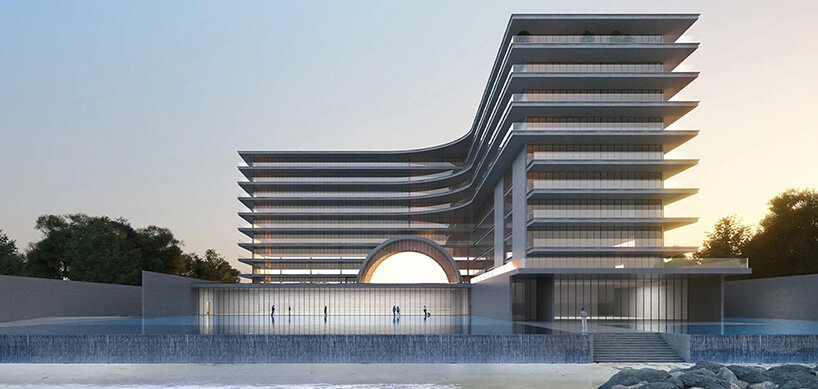
Armani Beach Residences, a collaboration with architect Tadao Ando in Dubai
A Lifestyle Beyond Flagship Stores
For contemporary fashion houses, real estate represents not just a design opportunity but a transformative evolution for the business. Hotels and residences serve as platforms for materializing the lifestyle philosophies intrinsic to each brand, allowing clients to engage with the label’s essence in a way that transcends a conventional flagship store experience. The late Giorgio Armani articulated this perspective as “exploring my idea of living,” seamlessly connected to the design ethos of Armani/Casa.
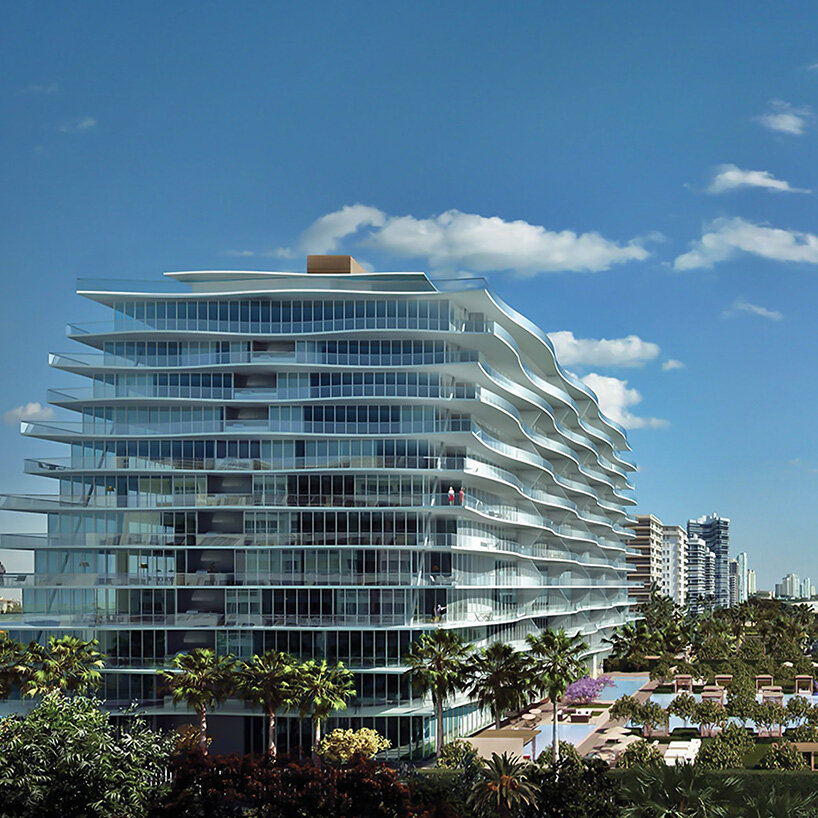
These ventures are not merely aesthetic; they also create lucrative revenue streams through licensing deals and co-developments. In prime markets like Dubai, Miami, and Marbella, branded residences often command higher price points. The Residences by Armani/Casa in Sunny Isles Beach, designed by renowned architect César Pelli, sold out all 308 units, leveraging the allure of the Armani name along with interiors curated to embody the brand’s signature style. As Renzo Rosso puts it, these developments “define the unmistakable style of each fashion house,” translating creative visions into tangible structures.
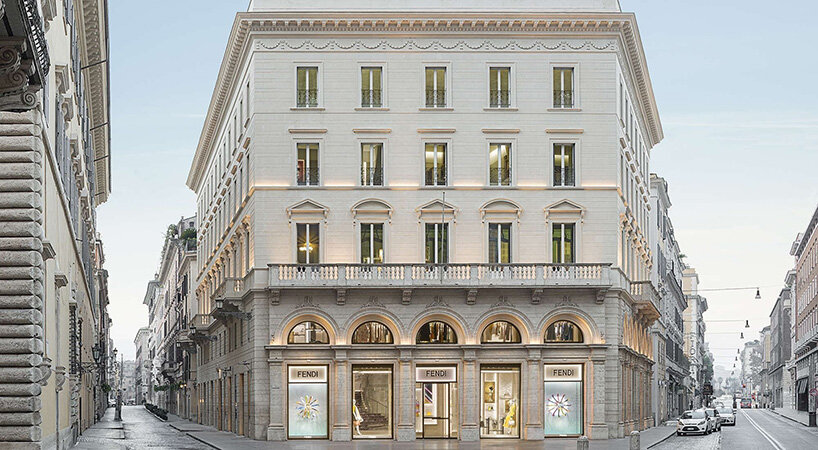
Fendi Private Suites in Rome
Transcribing Fashion Codes into Architecture
Each fashion-driven development captures the aesthetic language unique to its brand. Palazzo Versace Macau, the latest luxury addition to Versace’s portfolio, showcases the house’s Italian opulence through intricate mosaic detailing, carpets, and tiles, featuring motifs like the iconic Medusa adorning the flooring. In contrast, Bulgari hotels, designed by the firm Antonio Citterio Patricia Viel (ACPV), are characterized by meticulous craftsmanship, with luxurious materials like hand-finished marble and silk detailing.
The Armani Hotel Dubai and its accompanying Armani Residences within the Burj Khalifa evoke tranquility through earthy tones and softly lit environments, carefully selecting materials to cultivate a cohesive atmosphere. As the brand looks ahead to the Armani Beach Residences, in collaboration with Tadao Ando, the minimalist vision reaches new heights, showcasing cutting-edge architectural design.
On the other hand, Missoni’s approach radiates vibrancy. Missoni Baia in Miami, Missoni Sky in Toronto, and the Missoni Resort Club in Mykonos translate the brand’s signature zigzag knits into structural designs, while their interiors brim with the exuberance and color that define Missoni fashion.
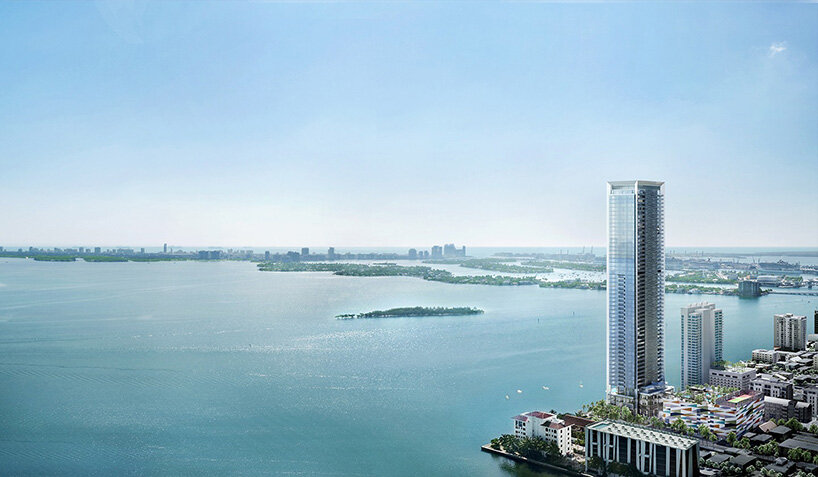
Missoni Baia tower in Miami
From Karl Lagerfeld’s Dreams to Dolce & Gabbana’s Palazzi
Some designers have taken their ventures even further. The late Karl Lagerfeld’s hotel in Macau, opened after his passing in 2021, is a breathtaking fantasy of East-meets-West design, featuring an ornate 360-square-meter library and stunning decorative elements. Every detail, from key-patterned walls to antique decor, reflects his unique vision. By the mid-2010s, Fendi began offering its own boutique hotel, Fendi Private Suites, which features exclusive accommodations above its flagship in Rome, alongside its waterfront Fendi Château Residences in Miami.
Dolce & Gabbana have also pushed boundaries with ambitious projects like the 888 Brickell tower in Miami, a 90-story condo-hotel featuring a blend of Murano glass and animal-print velvet. Another standout is Marbella Design Hills in Spain, a complex of 92 luxury units furnished completely with Dolce & Gabbana Casa pieces.
Even Diesel, rooted in the denim culture and countercultural ethos, has made waves with Diesel Wynwood Condominium in Miami, its inaugural residential project. Designed with Zyscovich Architects, it channels the brand’s industrial vibe through raw materials and urban art, appealing to a younger, design-conscious demographic.
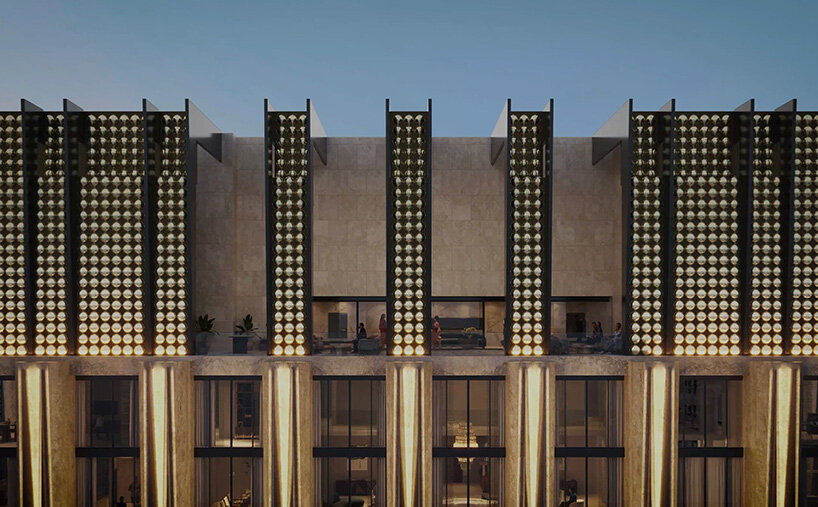
888 Brickell Miami Residences And Hotel by Dolce & Gabbana
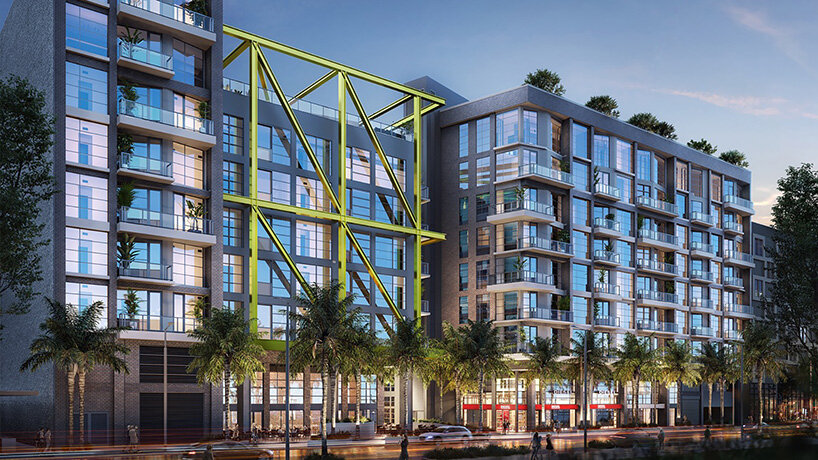
Diesel Wynwood in Miami