
As our cities sprawl into concrete jungles, the yearning to escape the chaos and reconnect with nature has become increasingly urgent. In our hurried lives, many of us have lost that vital connection with the natural world and are turning to resort getaways to heal this deprivation. But resorts are not merely hotels transplanted into scenic locations. They are experience-driven establishments purposefully nestled within nature itself. Eco-resorts, in particular, offer guests the profound luxury of living with nature, experiencing its raw, wild beauty while still enjoying the comforts needed to relax. Yet we must remember that the luxury we design for humans must equally serve as a luxury for nature and its local communities. One cannot exist meaningfully without the other.
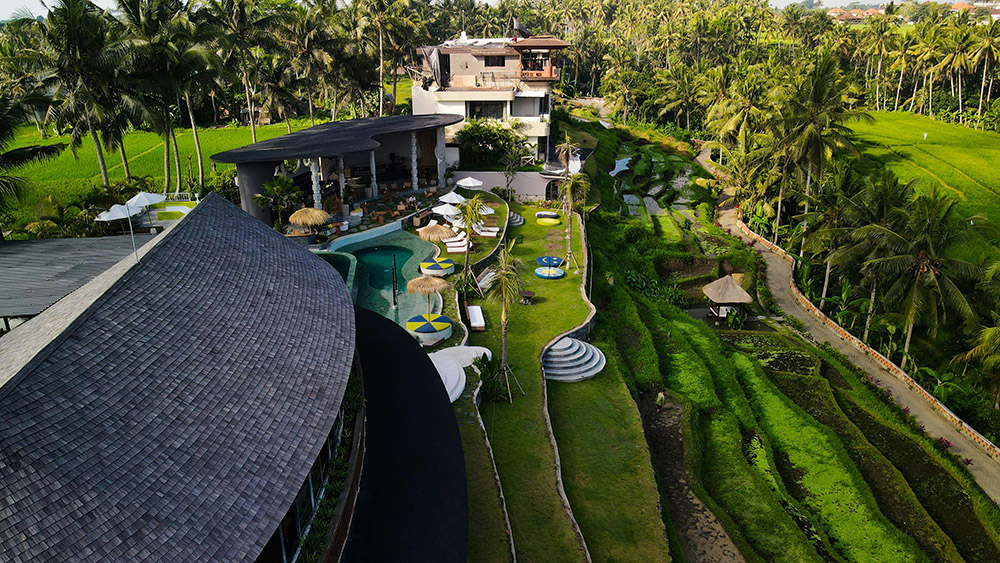
The Growing Appeal of Eco-Tourism
The enthusiasm for eco-tourism has seen a remarkable surge in recent years, igniting a critical question for architects: Are we creating spaces that honor both the guests and the environment that hosts them?
Unlike urban projects constrained by infrastructure and population density, resorts benefit from ample space and an inherent mandate to harmonize with their natural surroundings. This unique circumstance provides architects with a significant opportunity—and responsibility—to design structures that live in symbiosis with nature, not merely existing within it.
Also Read: Mandai Rainforest Resort Promises A Restful Stay In Stunning Biophilia
What is the ultimate luxury? It’s the chance to drift off to the sounds of wind rustling through indigenous trees, awakening to natural sunlight, and sharing the space with the original inhabitants—other species—of the land. True luxury lies in moments lived fully within the embrace of nature.
Thoughtful Masterplanning: Let the Land Lead
Masterplanning starts with respect for the land itself. When designing a resort set within a forest or wildlife habitat, the foremost responsibility is ensuring we don’t disrupt the very nature guests come to experience. Sadly, I’ve observed developments that treat the land as a blank canvas, clearing vegetation and leveling topography, ultimately destroying the ecosystems that make these locales valuable.
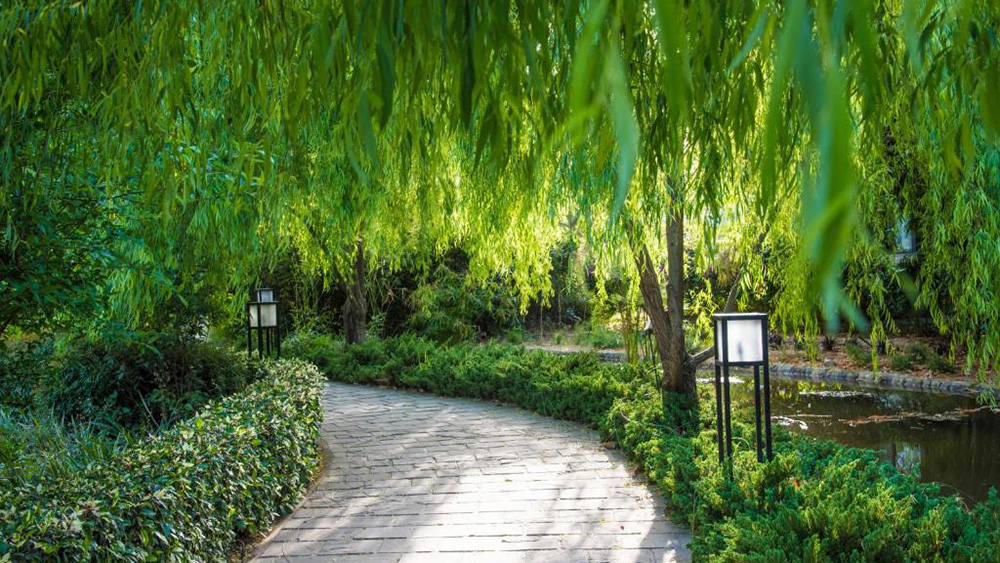
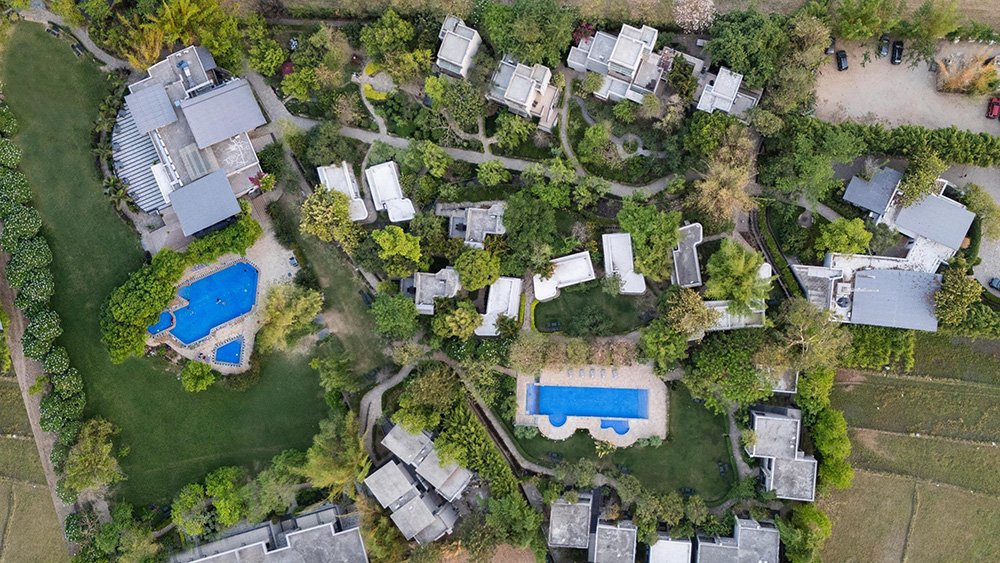
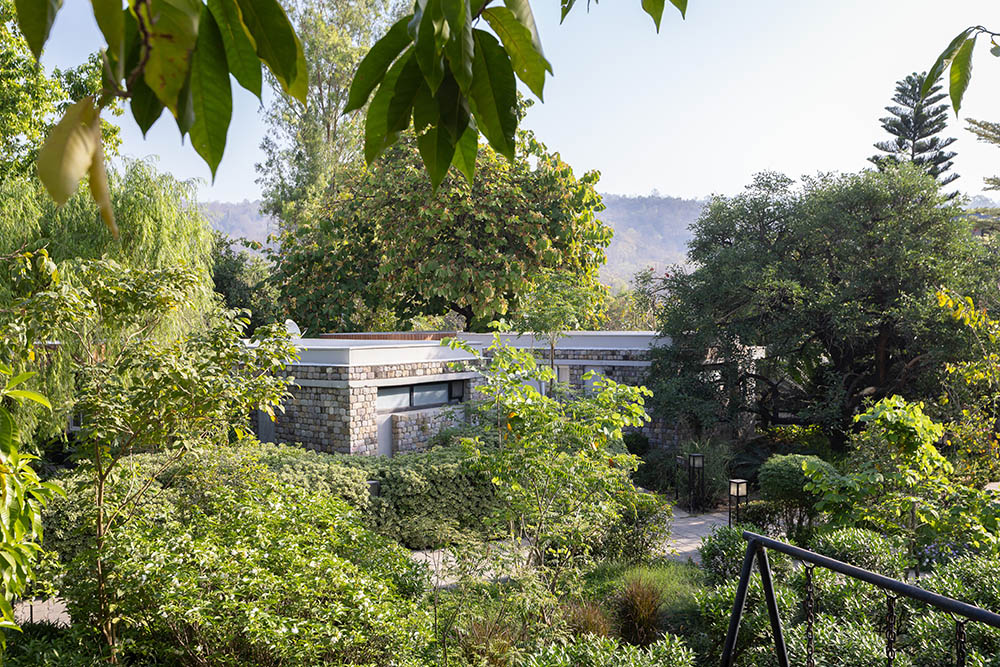
The alternative approach is to listen before we build. This means reading the land’s existing patterns and working with them. At a boutique wildlife resort we designed in partnership with local horticulturist Late Shri Rajendra Nijhawan, situated near Jim Corbett National Park, the land’s natural features guided the design. With the resort occupying only 25% of a seven-acre site, we created landscapes filled with indigenous plants and wildlife-friendly open areas, redistributing 75% for nature.
Starting with just four trees, we designed a sensory landscape—gorgeous blooms attracting birds, delightful aromas of the forest, the taste of fresh produce grown on-site to be enjoyed in the resort’s restaurant, and tactile interactions with stones laid throughout the space. Our commitment to indigenous flora has transformed the site into a vibrant, biodiverse haven, home to over 70 bird species and 500 types of native trees.
Materiality: Making Nature the Protagonist
Beyond masterplanning, the choice of materials used is crucial in fostering a deeper connection with nature.
Also Read: Create Stunning Outdoor Spaces: Furniture Tips for Open-Air Living
Architecture that stands out as a stark entity can create a disjointed experience for guests. Utilizing materials that feel foreign to the surroundings can create barriers, constantly reminding visitors that they are separate observers rather than participants in the landscape. Conversely, when we use materials derived from the environment itself, they help bridge that gap, allowing nature to remain the central theme of the experience—even indoors.
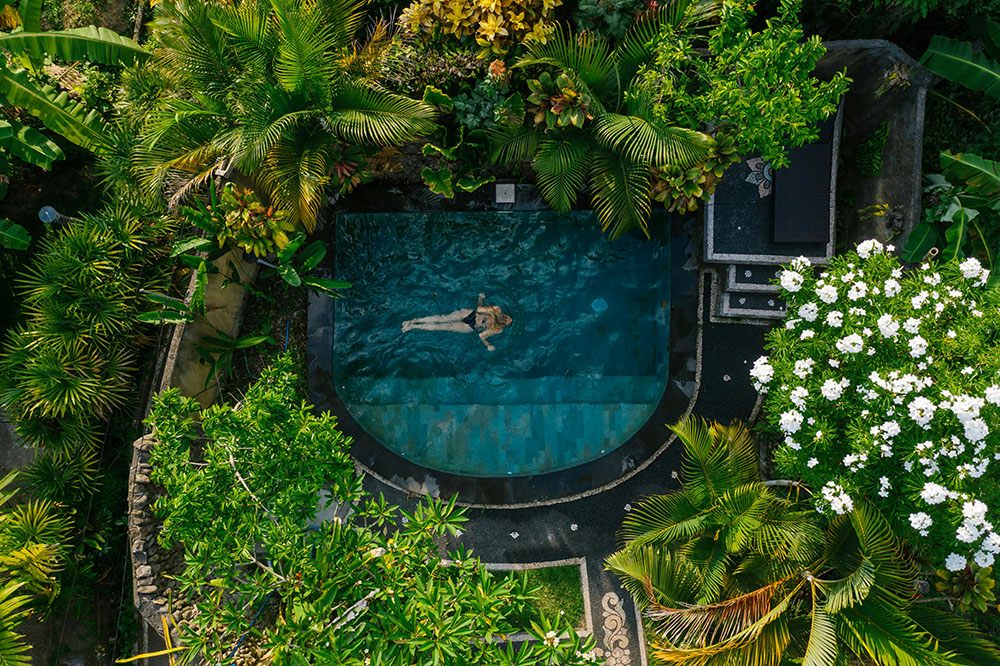
For instance, at our resort in Dhela village, we source locally mined river stone, sand, and grit for construction. Timber comes from Forest Department purchases, enriched with reclaimed ship-deck wood from Gujarat, thus repurposing materials that would typically be discarded.
Activity Programming: Living with the Landscape
Another effective avenue to deepen guest interactions with their surroundings is through thoughtfully designed activity programming. Opportunities for guided wildlife tours and nature walks can transform passive sightings into engaging experiences.
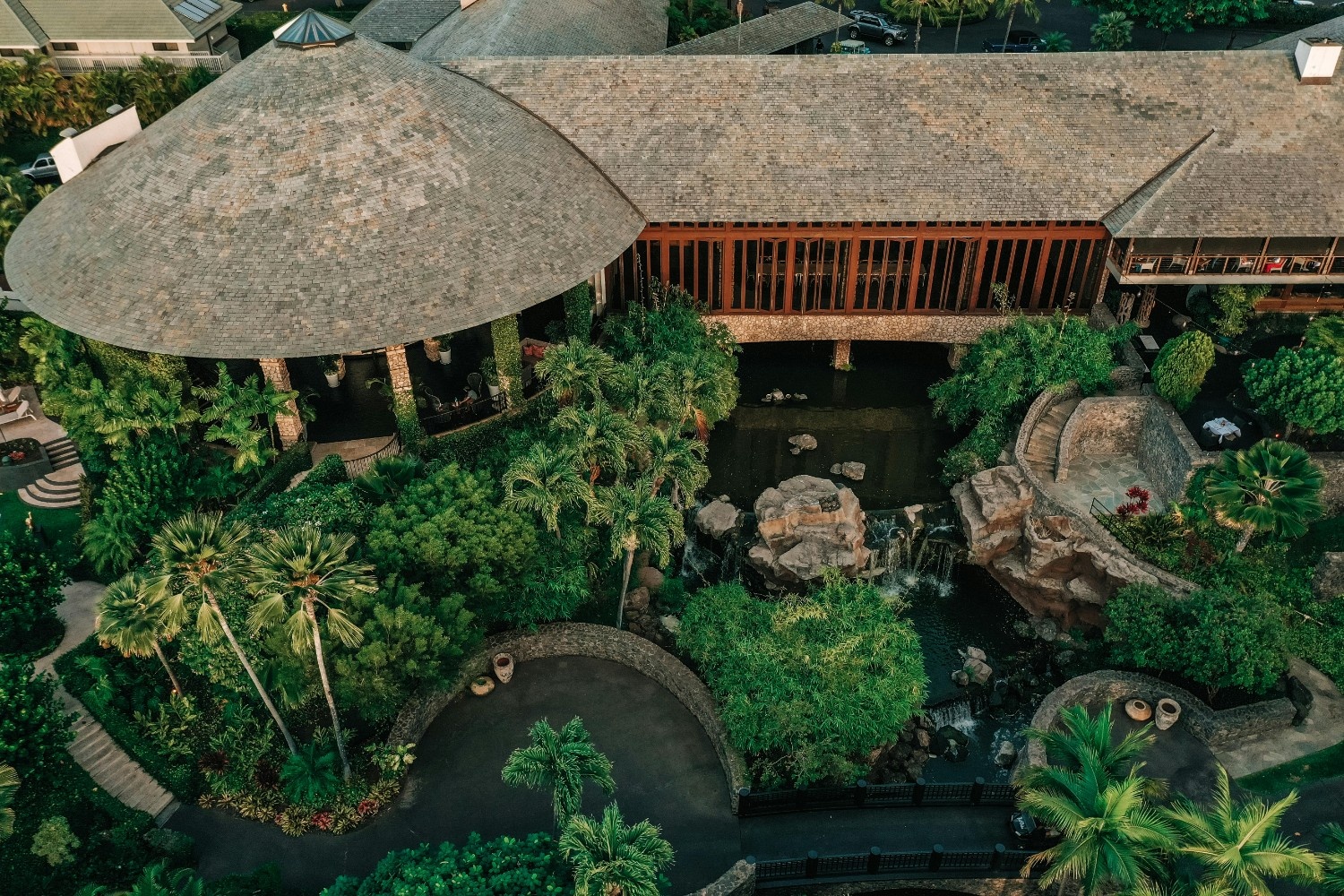
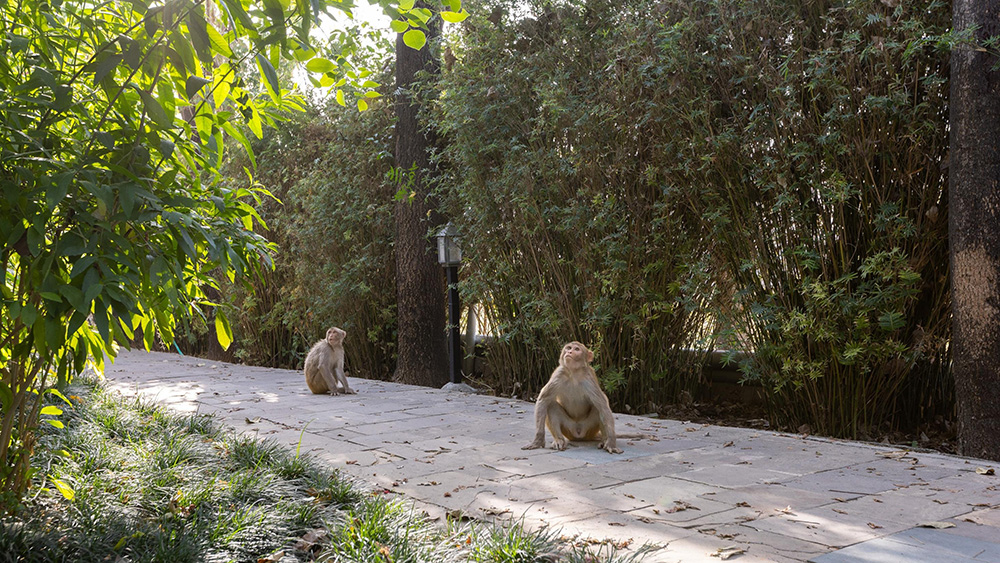
Our resort near Jim Corbett exists as a seamless connection between village and wilderness. Paths trace canals, streets weave through farmland, and movement flows naturally among trees. The rural essence of the nearby village is interwoven with the resort experience. Minimal fencing allows a seamless blend with the surroundings while permitting wildlife to traverse freely, cultivating a shared habitat.
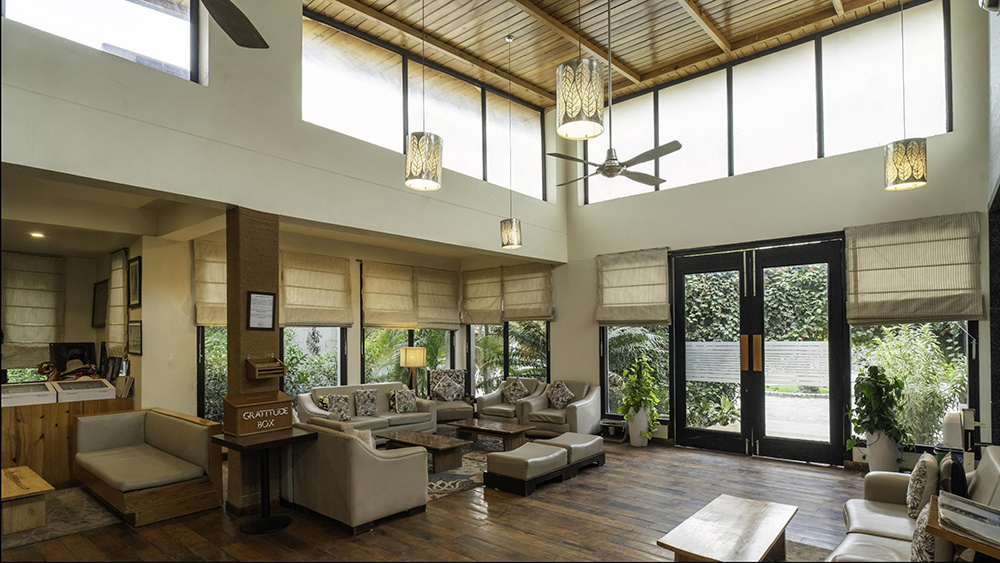
This approach goes beyond mere harm reduction—it embodies a restorative philosophy. Through mindful masterplanning, conscientious use of materials, and programming that dissolves boundaries, we can establish a harmonious equilibrium between human guests and the land they inhabit. As cities expand and the thirst for nature intensifies, resort architecture demonstrates that true luxury lies in the preservation and engagement with our environment.
In an era marked by crises and disconnection, this gentle inhabitation might just be the greatest luxury of all.
Manish Gulati is the Founder and Principal Architect of MOFA Studio.
Published At: 24 March 2026 04:22 PM