
The Lamborghini Miura: A Revolution on Wheels
When Automobili Lamborghini unveiled the Lamborghini Miura at the 1966 Geneva Motor Show, it was more than the introduction of a new sports car; it was a defining moment in automotive history, a reshaping of what high-performance road machines could be.
During an era when grand touring cars were predominantly built with a front-engine layout, Lamborghini took a daring leap into innovation with the Miura. It positioned its powerful V-12 engine transversely behind the driver, a nod to racing prototypes that was nearly unheard of in road-going cars at the time. This groundbreaking design was complemented by the dramatic aesthetics crafted by Carrozzeria Bertone, resulting in a vehicle that didn’t just push the envelope but tore it apart, effectively birthing the modern supercar category.
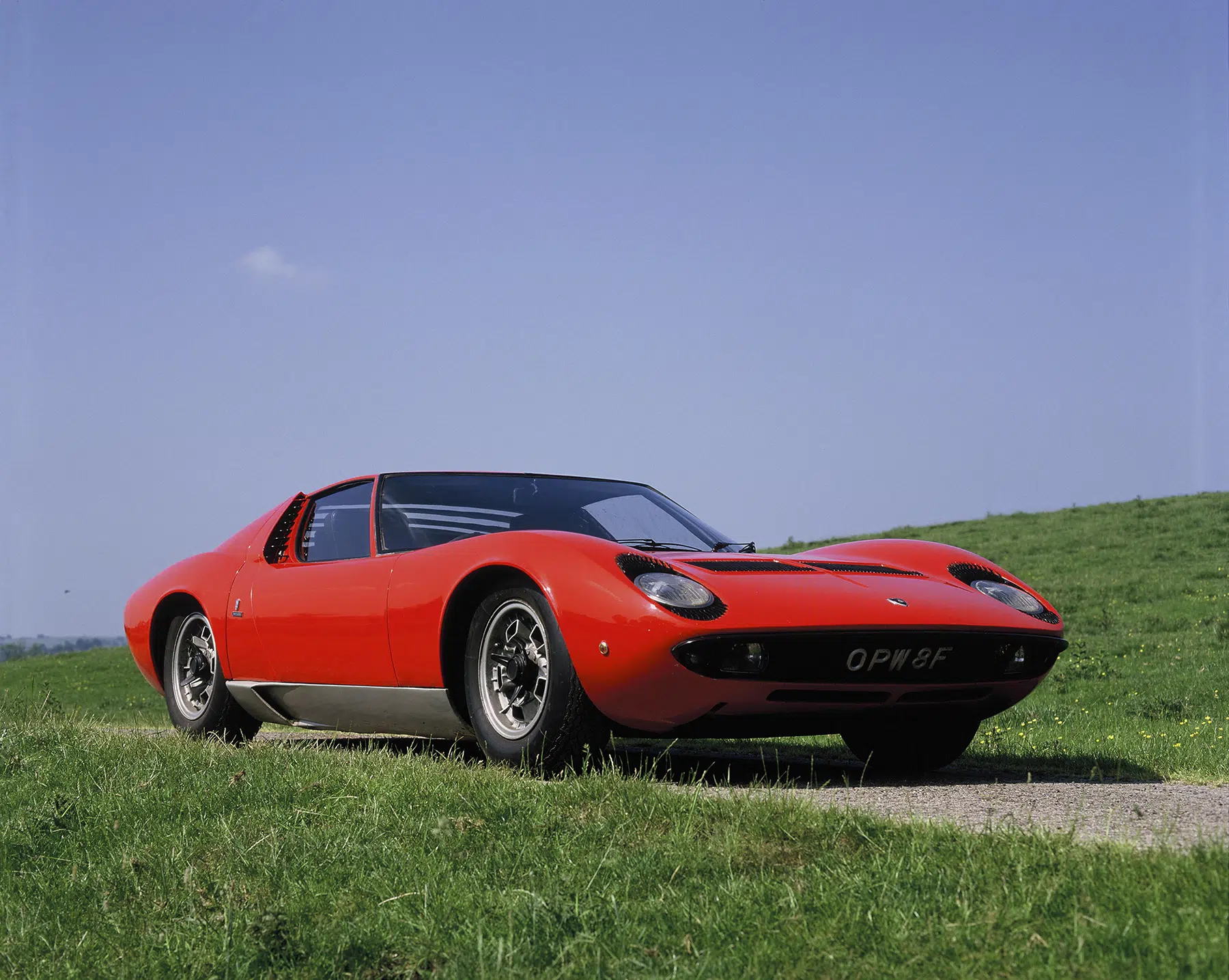
More than six decades later, the Miura endures as an automotive legend, an icon symbolizing the quintessence of Lamborghini’s daring engineering and timeless design philosophy.
The emergence of the Miura coincided with a pivotal period for Lamborghini itself. Founded merely three years earlier by Ferruccio Lamborghini, the company initially aimed to produce luxurious grand touring cars that could rival Ferrari. However, the youthful engineering team craved ambition, culminating in a vision for something extraordinary.
The dynamic duo of engineers, Gian Paolo Dallara and Paolo Stanzani, along with New Zealand test driver Bob Wallace, set to work developing a chassis inspired by the performance of racing vehicles. Their idea focused on a compact 3.9-liter V-12 engine, positioned behind the cockpit, enabling optimal weight distribution and enhanced performance.
When Ferruccio Lamborghini viewed the prototype in 1965, he wholeheartedly endorsed the project. Later that year, the bare chassis made a significant impression at the Turin Motor Show, showcasing its sleek design and innovative layout, mesmerizing attendees and foreshadowing a new direction for the automaker.
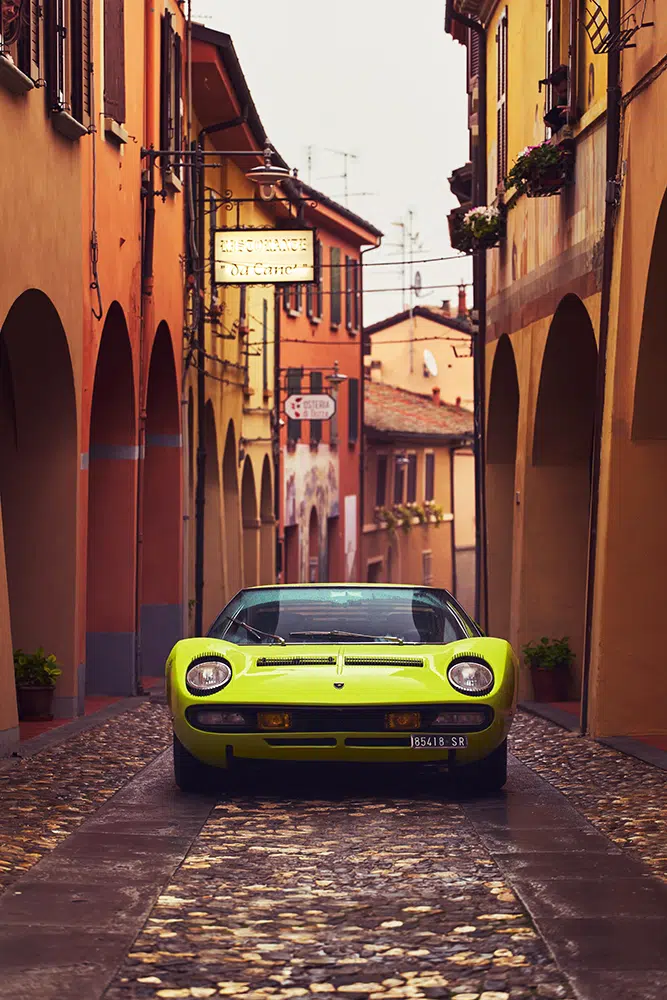
To elevate the stunning technical foundation, it was essential to design a body that matched the Miura’s pioneering spirit. The talented designer Marcello Gandini at Bertone took on this challenge, transforming the Miura’s engineering prowess into a visually arresting masterpiece.
The result was nothing short of breathtaking. The Miura boasted an impossibly low and wide frame, standing at just over 41 inches tall, with sculpted air intakes and muscular rear haunches. Its distinctive pop-up headlights, framed with elegant “eyelashes,” added to its unique persona, setting it apart in the automotive world.
When the Miura debuted at the Geneva Motor Show in March 1966, adorned in a striking orange hue, it immediately captured the spotlight, electrifying audiences and establishing itself as a showcase of automotive artistry.
Beyond its captivating exterior, the Miura housed one of the most formidable engines of its time. The 3.9-liter V-12, originally designed by engineer Giotto Bizzarrini, featured four camshafts and Weber carburetors feeding twelve throttle valves. Optimized for performance, the later iterations of this engine could deliver up to 385 horsepower, propelling the Miura to an impressive top speed of nearly 290 km/h (approximately 174 mph).
In the late 1960s, these figures seemed surreal; the Miura was often regarded as the fastest production car in the world. Its significance, however, extended beyond mere performance metrics. By pairing a mid-mounted engine with eye-catching styling and race-inspired engineering, Lamborghini set a standard that would define supercars for decades to come.
The Miura also birthed another crucial aspect of Lamborghini’s identity. The name, inspired by the legendary Spanish fighting bulls bred by Don Eduardo Miura Fernández, symbolized strength and spectacle. This thematic connection continued to resonate with Lamborghini, inspiring names for future models such as the Lamborghini Diablo and the modern Lamborghini Aventador.
Visually, the Miura revolutionized the design paradigm of its era. Compact and purposeful, measuring just 4.36 meters in length, it defied conventions. The air intakes positioned behind the doors effectively fed the V-12 engine, while distinctive slatted panels helped to manage cooling while enhancing the car’s aesthetic appeal.
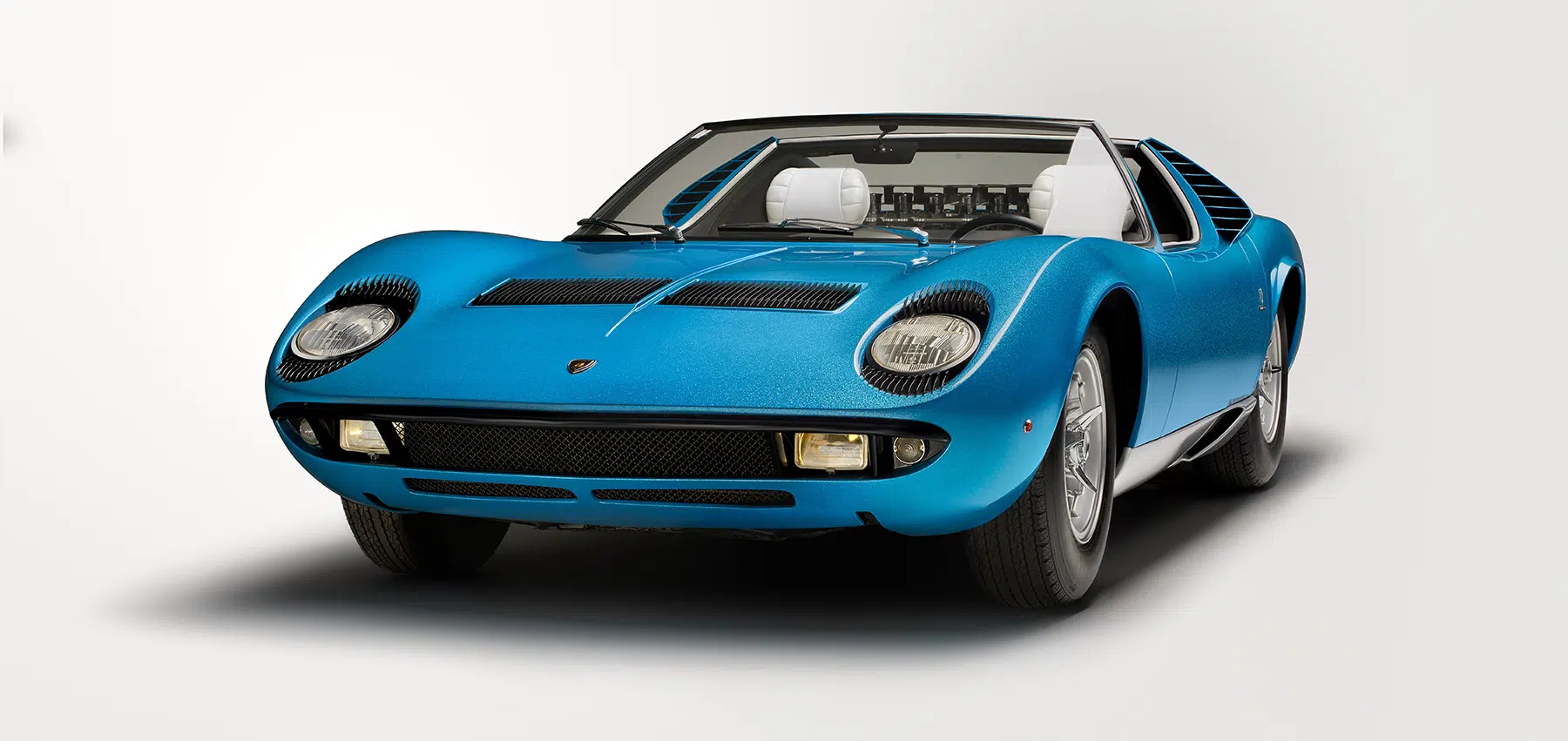
Unlike many sports cars of its time, the Miura embraced an array of bold colors. Buyers could choose finishes like Rosso Miura and Giallo Fly, alongside metallic blue, green, and silver options—an early indicator of the personalization trend that would become integral to Lamborghini’s identity.
From 1966 to 1973, Lamborghini produced only 763 examples of the Miura at its factory in Sant’Agata Bolognese. During this time, the car evolved through three primary variants: the original Miura P400, the updated P400 S, and the pinnacle P400 SV, which offered enhanced power and drivability.
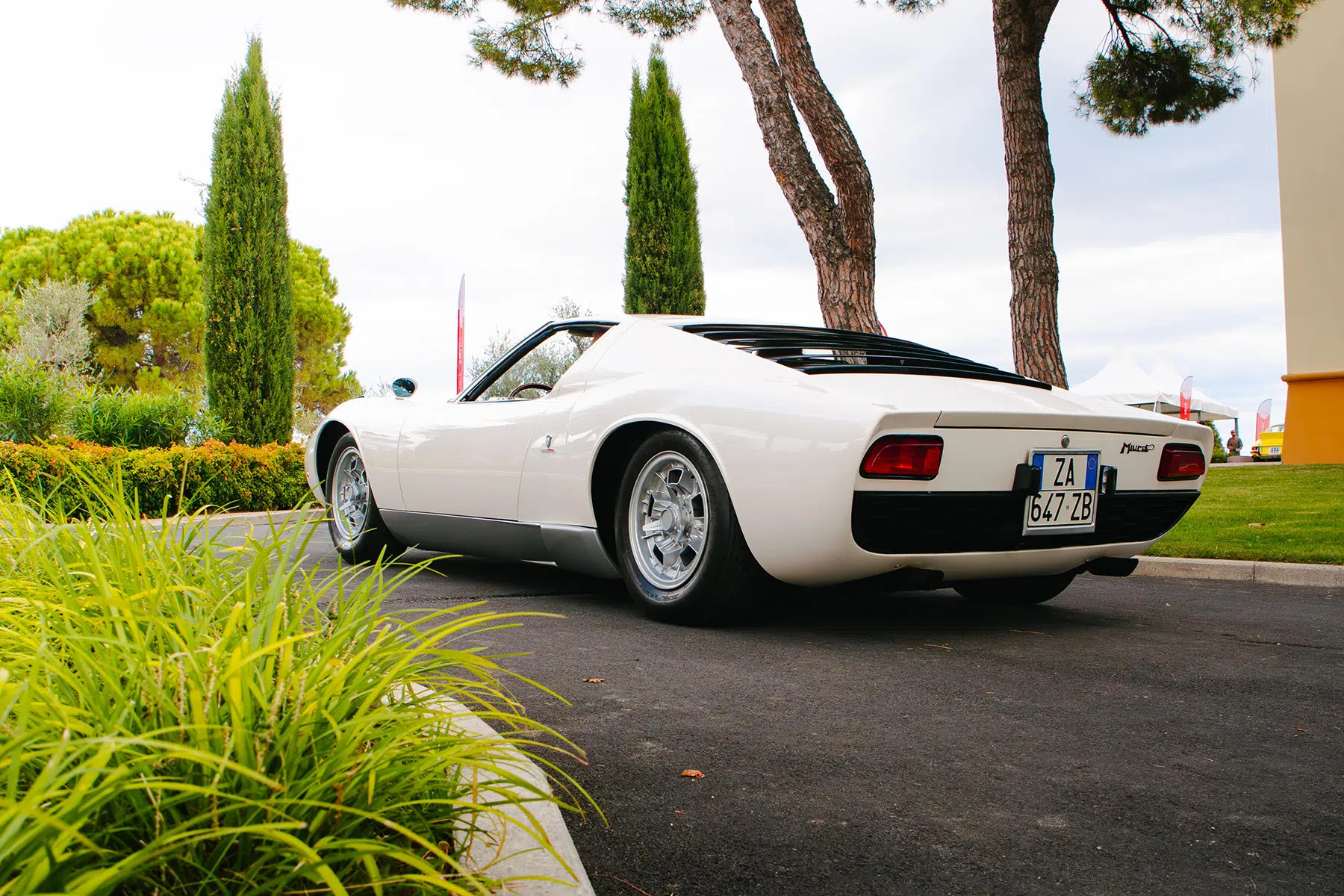
The Miura transcended its role as a mere automobile, quickly ascending to the status of a cultural icon. It made notable appearances in films, magazines, and a variety of media, particularly the unforgettable opening sequence of the 1969 classic film The Italian Job, where it masterfully navigates the Italian Alps in a scene that remains one of cinema’s most celebrated driving moments.
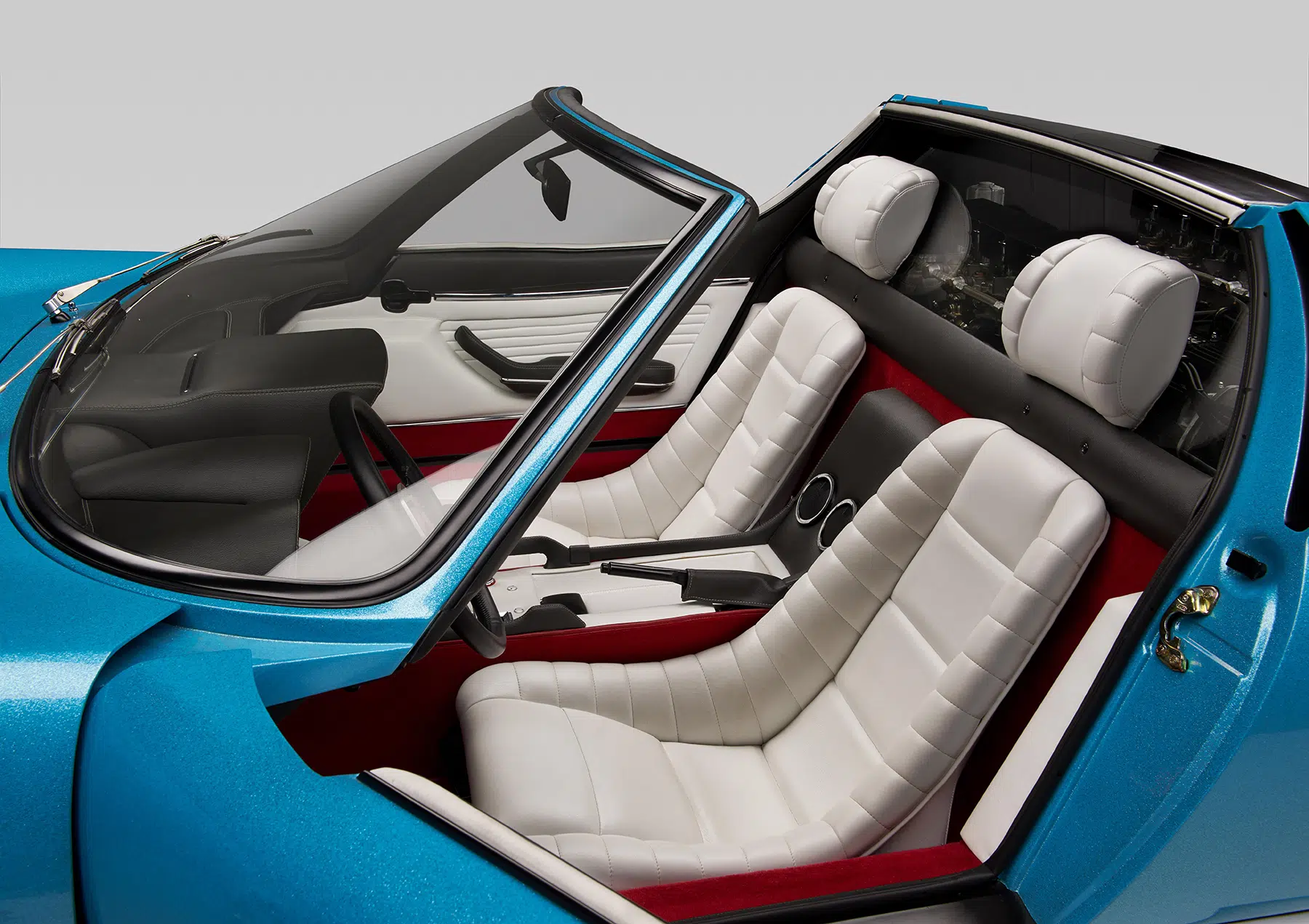
Today, the Miura is often hailed as one of the most beautiful cars of all time. Its groundbreaking architecture shaped the designs of future Lamborghini icons, including the Lamborghini Countach, and continues to influence modern models like the hybrid Lamborghini Revuelto.
To celebrate the Miura’s 60th anniversary, Lamborghini plans to host events worldwide throughout 2026, including a special Polo Storico tour in Northern Italy dedicated to Miura owners.
For Lamborghini CEO Stephan Winkelmann, the Miura is not just a relic from the past; it is the vehicle that defined the future of the Lamborghini brand. “The Miura did more than introduce a new car—it changed the course of automotive history,” he stated. “With its revolutionary architecture and breathtaking design, it defined the very concept of the supercar.”
Even after sixty years, the Miura remains astonishingly modern. It stands not just as a memory of Lamborghini’s glorious past, but as a pivotal moment in the evolution of performance cars.
Lamborghini Miura P400 SV Key Specifications
Engine: 3.9-liter naturally aspirated V12
Power: 385 horsepower
Top speed: approx. 290 km/h (180 mph)
0–100 km/h: approx. 5.5 seconds
Transmission: 5-speed manual
Production: 1966–1973
Total built: 763 examples