Exploring the Electric Classic Car Market: Driving into the Future
Growth Trajectory and Market Value
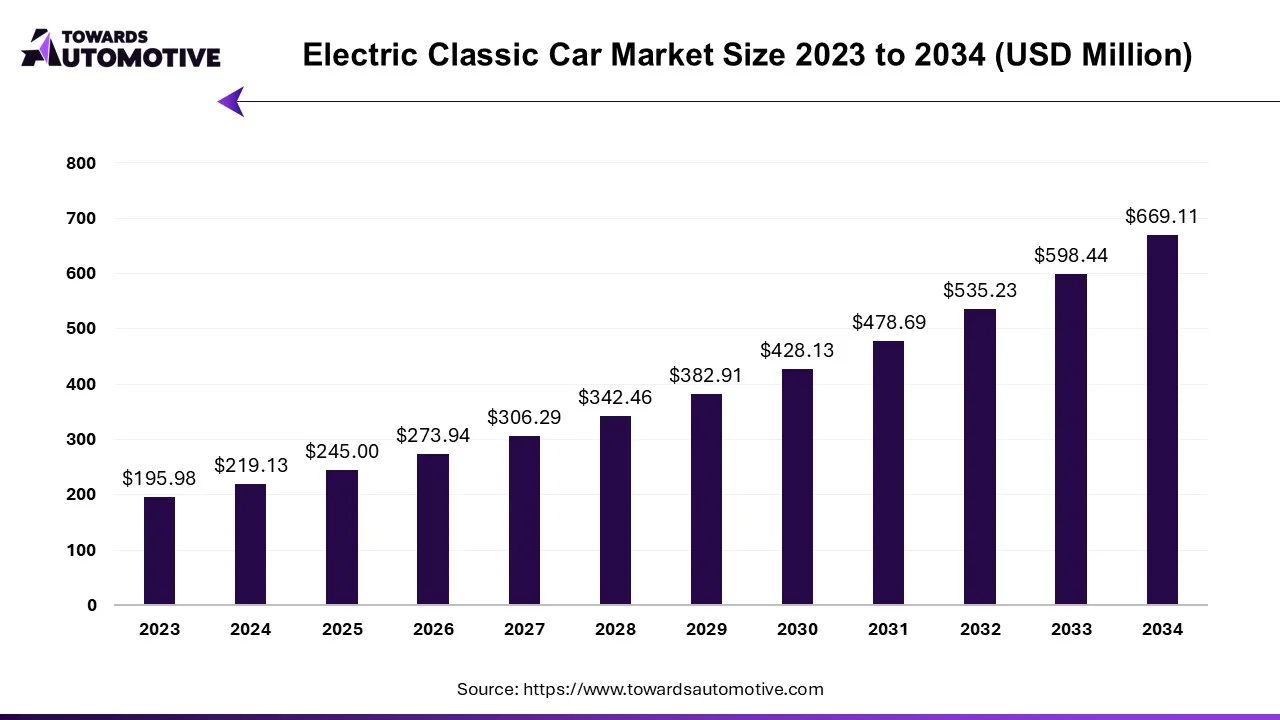
The electric classic car market, once a niche segment, is experiencing substantial growth, spurred by a blend of nostalgia and modern innovation. Currently valued at USD 245 billion in 2025, projections suggest that the market will surge to approximately USD 669.11 billion by 2034. This notable increase is largely driven by a growing consumer interest in sustainable mobility, alongside a demand for vintage car aesthetics powered by contemporary electric drivetrains.
Consumer Preferences Shifting Towards Sustainability
As environmental awareness rises, so does the preference for eco-friendly vehicles that do not compromise on style or performance. More automotive enthusiasts are opting for electric versions of their cherished classic cars to align with stringent emission regulations. The appeal lies not just in environmental responsibility but also in the fusion of classical design with modern technology. The convergence of sustainable practices and vintage aesthetics is becoming a defining trend in the automotive sector.
Key Market Highlights
-
Regional Dynamics: Europe currently dominates the electric classic car market, characterized by a robust vintage restoration culture and supportive policies advocating for green technologies. In contrast, the Asia Pacific region is predicted to be the fastest-growing market, fueled by increasing disposable incomes and enhanced EV infrastructure.
-
Segment by Vehicle Type: Luxury cars hold the largest share of the market, with a notable demand for electric conversions reflecting the desire for high-end, sustainable solutions. The sports car segment is rapidly expanding, as performance-driven consumers are increasingly enthusiastic about electric conversions for their favorite models.
-
Conversion Methods: The market sees significant activity in the partial conversion segment due to its cost-effectiveness and faster turnaround times, while complete restorations are rapidly growing in popularity, catering to discerning clientele who are willing to invest in full electric transformations.
Market Contributions and Drivers
Consumer Trends: Heritage Meets Innovation
Classic car enthusiasts are forging a new path through the electrification of their vintage vehicles. This trend merges the allure of classic design with cutting-edge technology, allowing owners to enjoy nostalgic experiences without the guilt associated with traditional fuel consumption.
Government Regulations: A Driving Force
Stricter emission regulations across the globe are compelling car owners to consider electric conversions seriously. Many governments are implementing bans and taxes on fossil fuel-powered vehicles, driving classic car enthusiasts toward electric solutions. This shift not only aligns with sustainability goals but also ensures that these beloved vehicles remain roadworthy and compliant with future regulations.
Barriers to Market Growth
Despite the promising outlook, the electric classic car market faces significant constraints. The limited availability of standardized conversion kits complicates the modification process, as each vintage model requires unique changes. Moreover, a shortage of skilled technicians proficient in these specialized upgrades poses another challenge, leading to delays and increasing costs for potential conversions.
Opportunities for Advancement
The market presents an exciting opportunity fueled by the growing demand for sustainable, zero-emission vehicles. As consumer consciousness shifts away from internal combustion engines, there is a burgeoning interest in maintaining classic cars while reducing carbon footprints. This shift, combined with supportive government green initiatives, positions the electric classic car market for rapid growth.
Emerging Trends
-
Customization: Owners are increasingly opting for personalized electric conversions, allowing for enhanced features like custom interiors and performance upgrades, which further bridges the gap between heritage style and modern capabilities.
-
Technological Integration: Modern safety systems, infotainment features, and connectivity options are being integrated into electric classic cars, enhancing user experience while preserving vintage aesthetics.
-
Cultural Shift: The rising luxury automotive culture in emerging markets like India points to a growing appetite for vintage vehicles electrified with modern technology, driven by financial incentives and technological advancements.
Regional Insights
Europe remains a stronghold, owing to its rich automotive heritage and progressive environmental regulations. High disposable income and advanced EV infrastructure foster an ecosystem conducive to electric classic car conversions.
In contrast, Asia Pacific is witnessing a rapid growth trajectory. Increased environmental awareness and industrial development are paving the way for vintage car enthusiasts, with easier access to conversion services spurred by the rise of digital platforms and e-commerce.
Segmental Breakdown
The market is segmented by vehicle type, conversion method, and region:
-
By Vehicle Type: Luxury and sports cars dominate the landscape, with significant growth in hybrids like performance electric classics.
-
By Conversion Method: The partial conversion method prevails due to its affordability and shorter timeframe. Complete restorations are popular for customization-seeking clients looking for high-end solutions.
Key Players
Several innovative companies are sharpening their focus on the electric classic car market. Notably, names like Lunaz Design, Electric GT, and Zelectric Motors are at the forefront, exploring unique technological avenues to enhance their offerings and meet growing consumer demand.
Recent Developments
Recent advancements in EV technology are revolutionizing how classic cars are resurrected. For instance, Electrogenic showcased cutting-edge EV conversion technologies, aiming to supply modular elements to network customers in North America, while RBW EV Cars is venturing into high-end systems for automakers, further stimulating market dynamics.
Conclusion
The electric classic car market is on an exhilarating trajectory, driven by consumer desires for sustainability, nostalgia, and performance. As the automotive landscape continues to evolve, this niche sector stands poised to redefine the future of classic car ownership, creating a unique bridge between cherished heritage and cutting-edge technology. Through concerted efforts, industry stakeholders can navigate the challenges ahead and carve out a promising future for electric classic cars.