
Smart Home Technology’s Impact on Luxury Architecture
Date: 17 October 2025
The landscape of luxury architecture has undergone a remarkable transformation, moving from lavish materials and intricate craftsmanship to a sophisticated integration of smart home technology. Today, a home is not just a visual masterpiece but a symbiotic ecosystem where advanced systems enhance daily living. This shift presents architects and designers with the challenge of ensuring that these smart technologies enrich the home’s aesthetic, rather than detract from it.
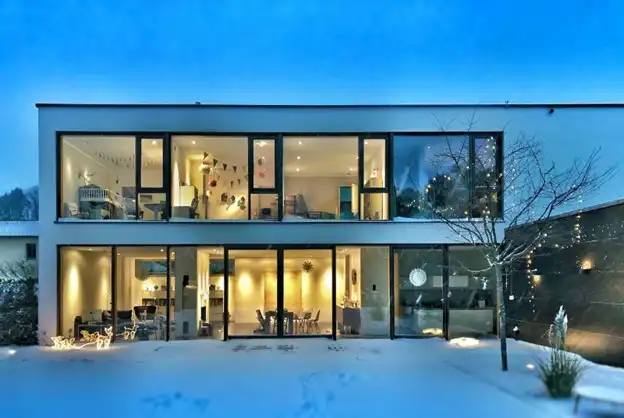
The Rise of Intuitive Environments
Modern luxury residences redefine themselves through smart home systems that create responsive living spaces, prioritizing functionality alongside beauty. High-end clients now expect homes that anticipate their needs—spaces that resemble intuitive ecosystems rather than traditional abodes. As firms like The Valerie Fitzgerald Group continue to lead the luxury real estate market, the incorporation of integrated smart technology has become a non-negotiable element of client satisfaction.
Redesigning Space and Function
Integrating smart technology into luxury homes requires a comprehensive reevaluation of conventional architectural layouts. The incorporation of centralized control systems, networking hardware, and extensive cabling necessitates dedicated spaces for utilities, moving these elements out of direct view and away from living areas.
Designing for Invisible Infrastructure
The architect’s mission now includes maintaining a sleek aesthetic while seamlessly embedding these complex systems within the design. This meticulous planning centers on concealing devices:
- Sensors for climate control, occupancy, and lighting should be flush-mounted or embedded within walls and ceilings.
- Audio-visual components are integrated into architectural elements, often utilizing plaster-over grilles or even invisible transducer technologies.
- Central processors, which provide high-end audio control or manage building services, are best placed in discrete server rooms.
These considerations help ensure that a home’s intelligence operates quietly beneath an elegant surface, becoming an intrinsic part of its overall architecture.
Security and Privacy in Elite Residences
In luxury settings, security technology is a major impetus behind smart home adoption, offering non-invasive yet layered protection mechanisms. These modern systems provide extensive surveillance and access control far beyond traditional alarm setups, delivering an essential sense of safety that is a hallmark of true luxury.
Advanced Protection Systems
Today’s luxury security relies heavily on advanced technologies, balancing high security with user-friendliness:
- Biometric access utilizes facial recognition and fingerprints integrated into door locks and gates, eliminating traditional keys for enhanced security.
- AI-driven surveillance employs machine learning to identify familiar faces and vehicles, significantly cutting down on false alarms by differentiating between genuine threats and benign entities.
- Integrated perimeter defenses use geofencing technology to automatically secure the house when the last resident leaves, ensuring continuous vigilance.
In addition, protocols like KNX Secure address privacy concerns through advanced encryption methods designed to safeguard critical data from cyber threats.
Why Sustainable Intelligence Matters
The growing luxury market is increasingly focused on environmental responsibility, a trend accelerated by IoT technologies. Smart systems not only offer convenience but also enable precise resource management, transforming large homes into benchmarks of ecological efficiency.
IoT-enabled sensors constantly monitor and adjust energy systems in real-time, optimizing performance and reducing waste while maintaining comfort for the homeowner. Predictive maintenance systems analyze machinery performance to preempt failures, ensuring that high-end components are not only effective but also long-lasting.
For example, smart glass employs electrochromic technology to automatically alter its tint based on incoming light, lowering the load on HVAC systems and thereby slashing energy consumption by up to 30%, according to studies in the smart building sector.
The Hyper-Personalized Environment
The pinnacle of luxury automation lies in creating homes that anticipate the preferences of their inhabitants. These intelligent systems learn and adapt to individual routines, enhancing comfort without the need for explicit commands.
Circadian lighting systems can adjust color temperature and intensity throughout the day, aligning with the natural rhythms of the body. Wellness features extend to air quality as well, with integrated sensors monitoring air quality to trigger advanced filtration only when necessary.
Voice control has evolved from a novelty to a key interface for smart homes, seamlessly integrated into the architectural design. Strategic microphone placement and acoustic engineering ensure that commands are comprehended throughout the space, prioritizing user experience over visibility.
How Smart Technologies Drive Returns
The financial implications of integrating smart technologies extend far beyond mere convenience; they constitute a strategy for asset appreciation. Today’s discerning buyers view robust automation as essential infrastructure, akin to plumbing or electrical systems.
Market analysis indicates that homes equipped with comprehensive, professional automation systems can command higher resale values, offsetting initial investments. This future-proofing aspect dictates that architects plan for ample conduit pathways and utility spaces to accommodate next-generation technologies.
Furthermore, platforms like Control4 and Crestron necessitate dedicated maintenance agreements. Specialized integrators ensure the systems are continuously monitored and updated, maintaining a streamlined high-end experience for residents.
The Lasting Impact of Smart Home Technology on Luxury Architecture
Smart home technology has fundamentally altered the fabric of luxury architecture, enabling a flawless integration of cutting-edge systems into timeless designs. The outcome is not only homes that are visually stunning but also spaces that genuinely enrich the quality of life for their inhabitants.
As the definition of luxury evolves to encompass intelligent, efficient, and invisible performance alongside aesthetic appeal, the future of luxury living is set to redefine itself through a beautiful blend of design and technology.
Comments on this guide to Smart Home Technology’s Impact on Luxury Architecture are welcome.
Smart Home Design Articles
- Benefits of Building a Smart Home
- 6 Smart Home Devices Compatible with Amazon Alexa
- Essential Automation Devices for Your Smart Home
- How Growing Demand for Smart Homes Changes Design